Lower Secondary · Years 7 to 9 · ages 11 to 14
More independence, bigger projects
Cambridge Maths, Science and English every morning, all of it in English, each with a specialist teacher. Classes are small, and students do more of the planning.
The Cambridge core
The core subjects, taught in English
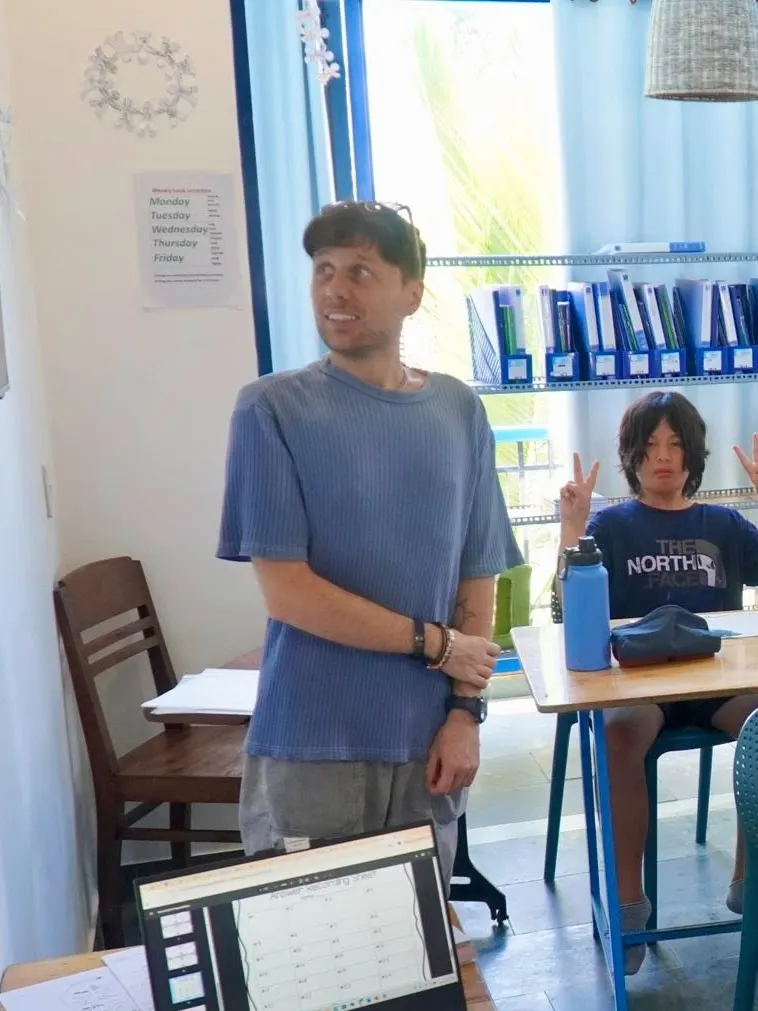
Three lessons every morning, one of each, and each with a teacher who has a degree in the subject. Then History or Executive Function until lunch.
All of it is taught in English. By this age students learn most of their English by using it: reading a chapter, writing up an experiment, arguing a point in class.
Maths
Less counting, more reasoning, and a lot of showing your working. Word problems have to be read carefully, and students explain their method out loud: what they did and why it works.
Science
Biology, chemistry and physics, with practical work every week: a ramp on the classroom floor, plants along the window, a bench full of samples. Every practical ends in a write-up, and usually an argument about whose numbers to trust.
English
Whole books, literature and argument. Students take a position, back it with evidence and write it up.
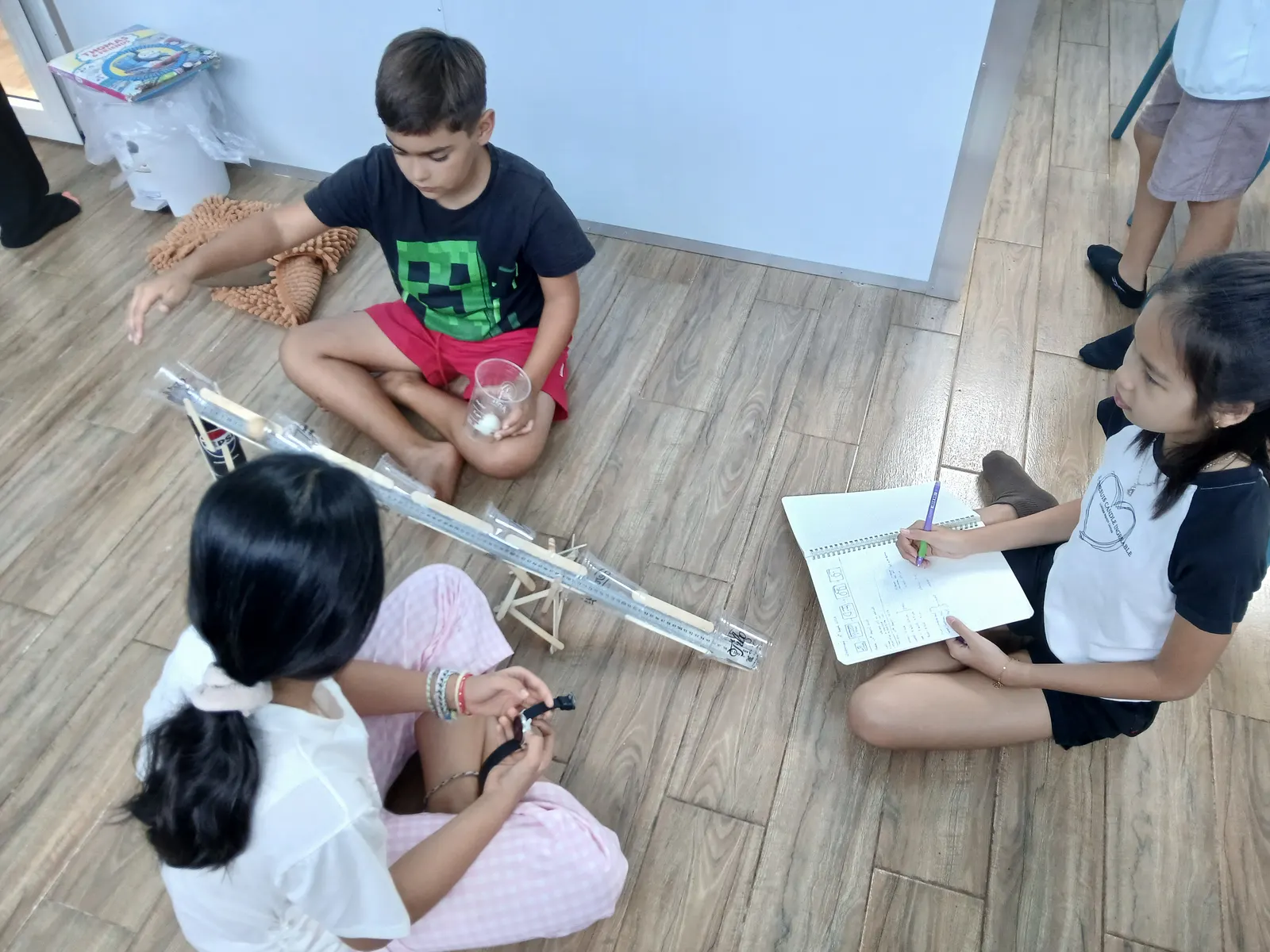
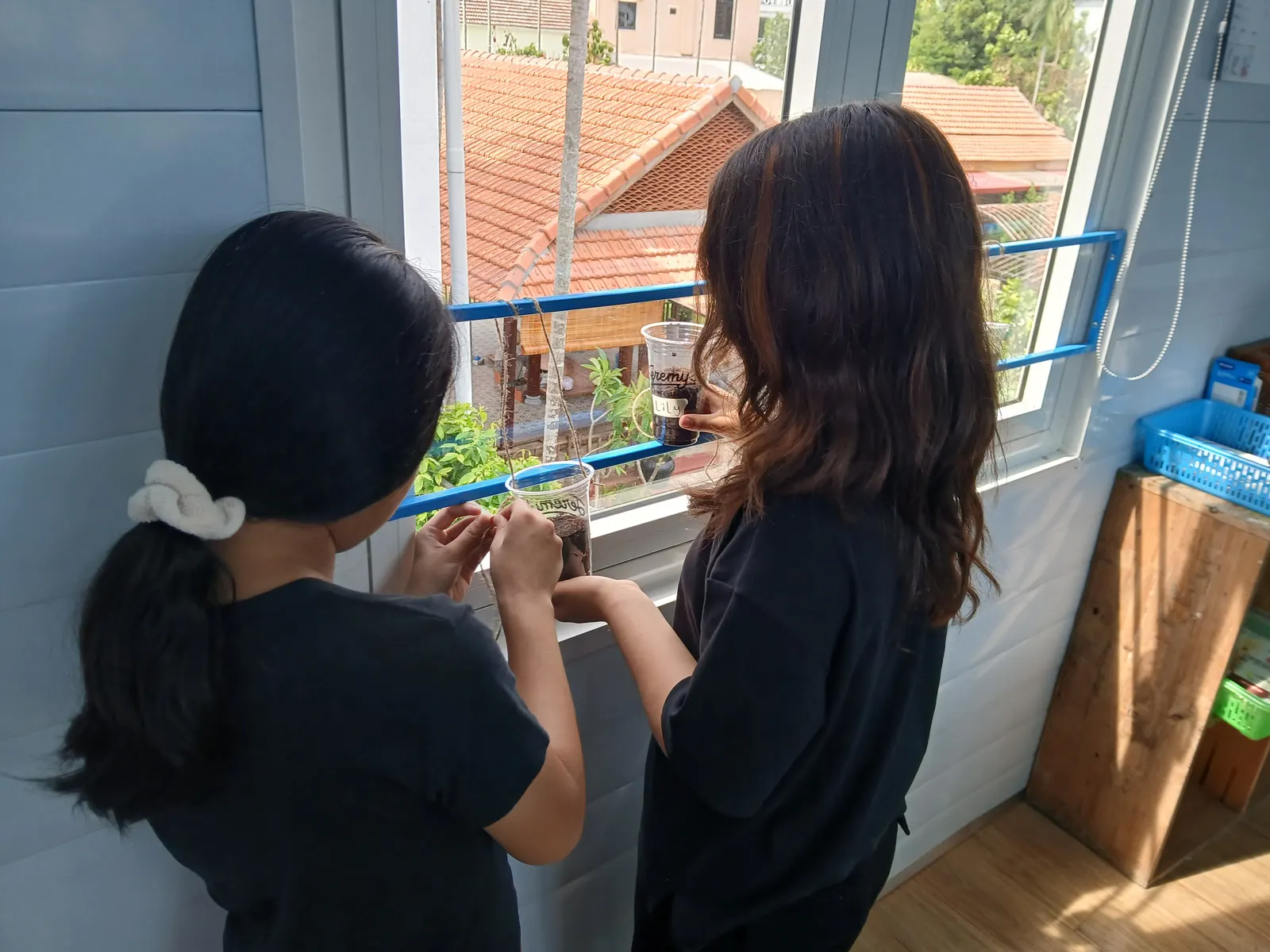
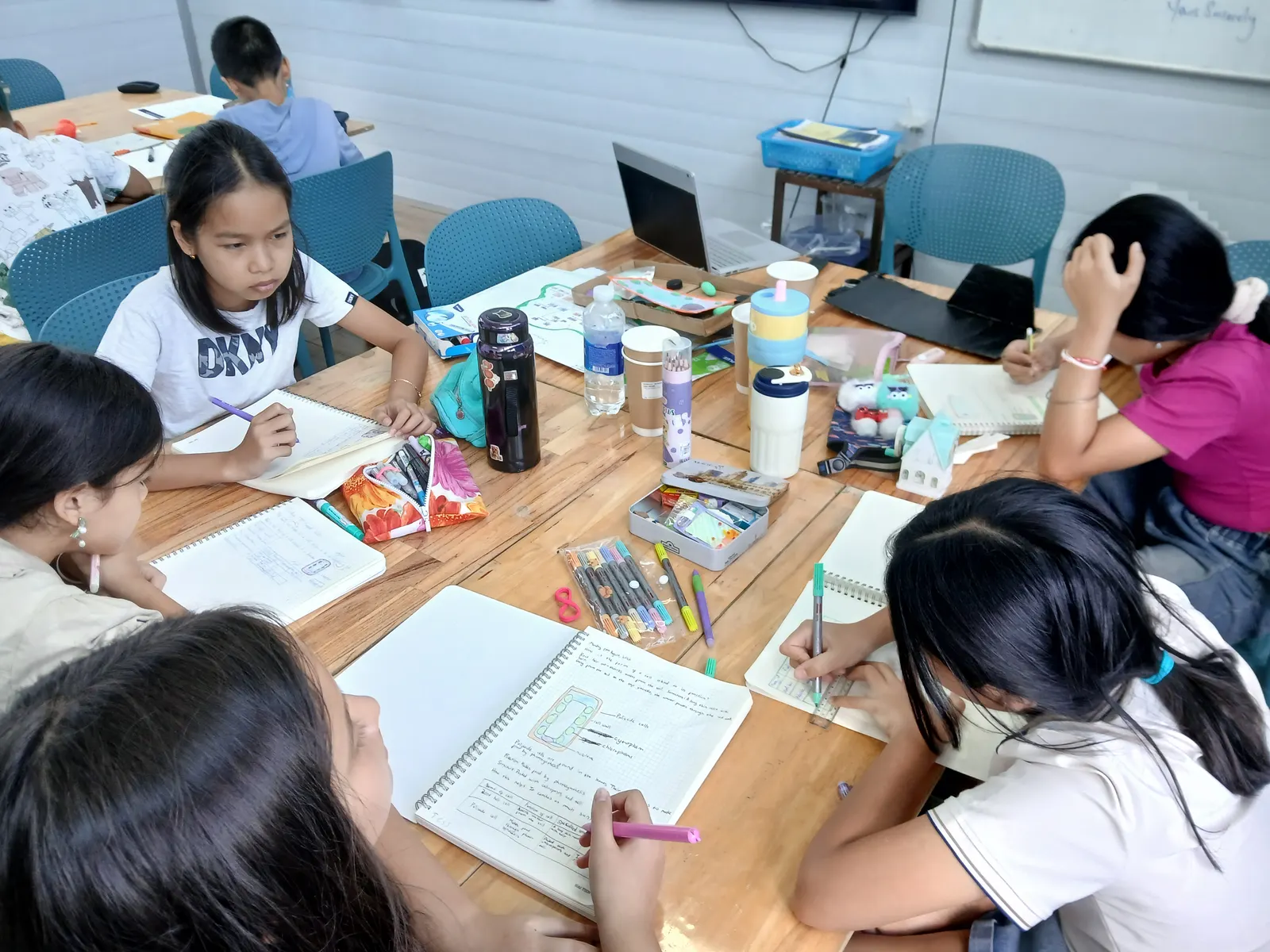
The window garden, and the write-up.
In the lab
Science you put goggles on for
Practical work every week, across biology, chemistry and physics.
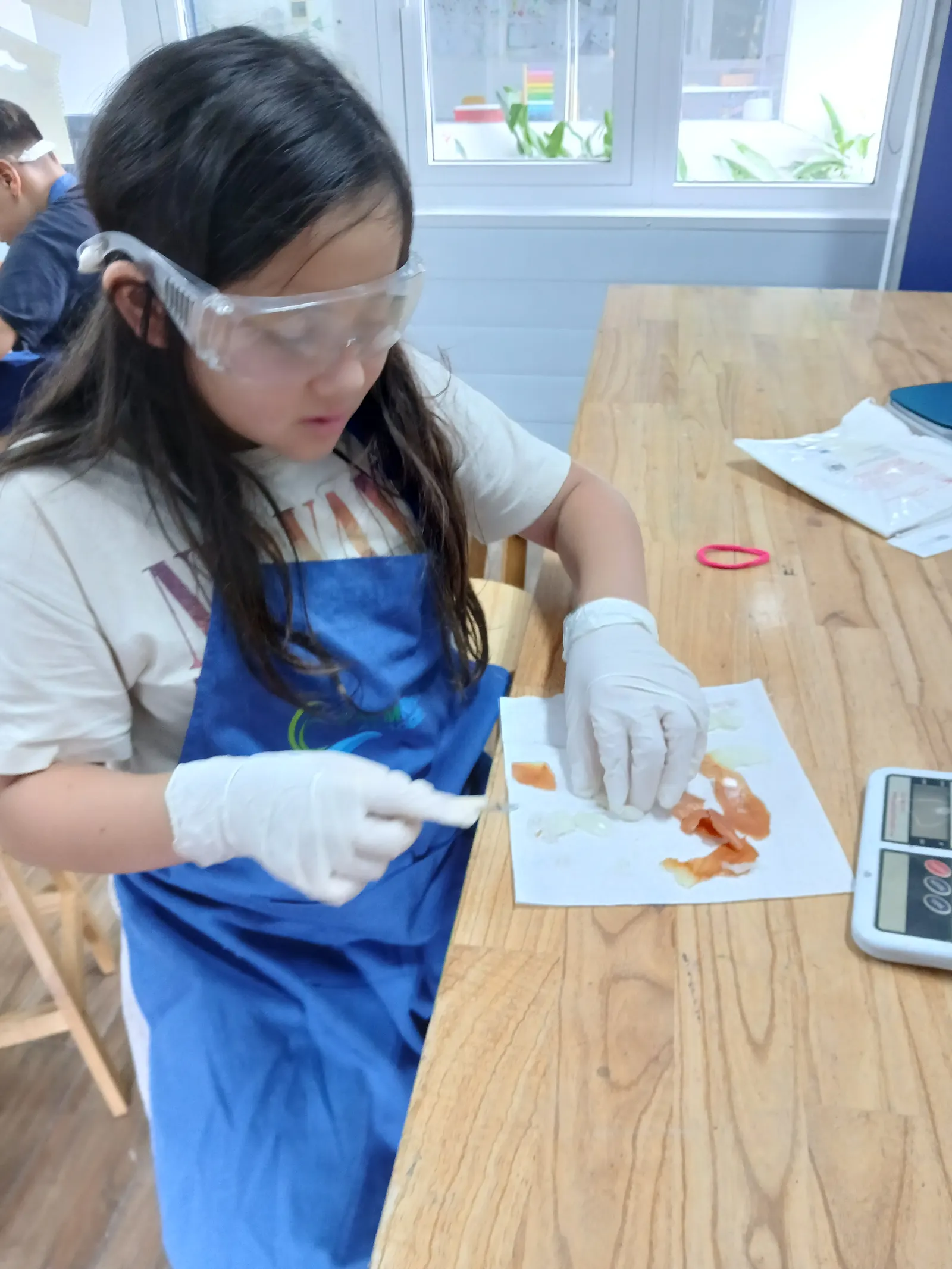
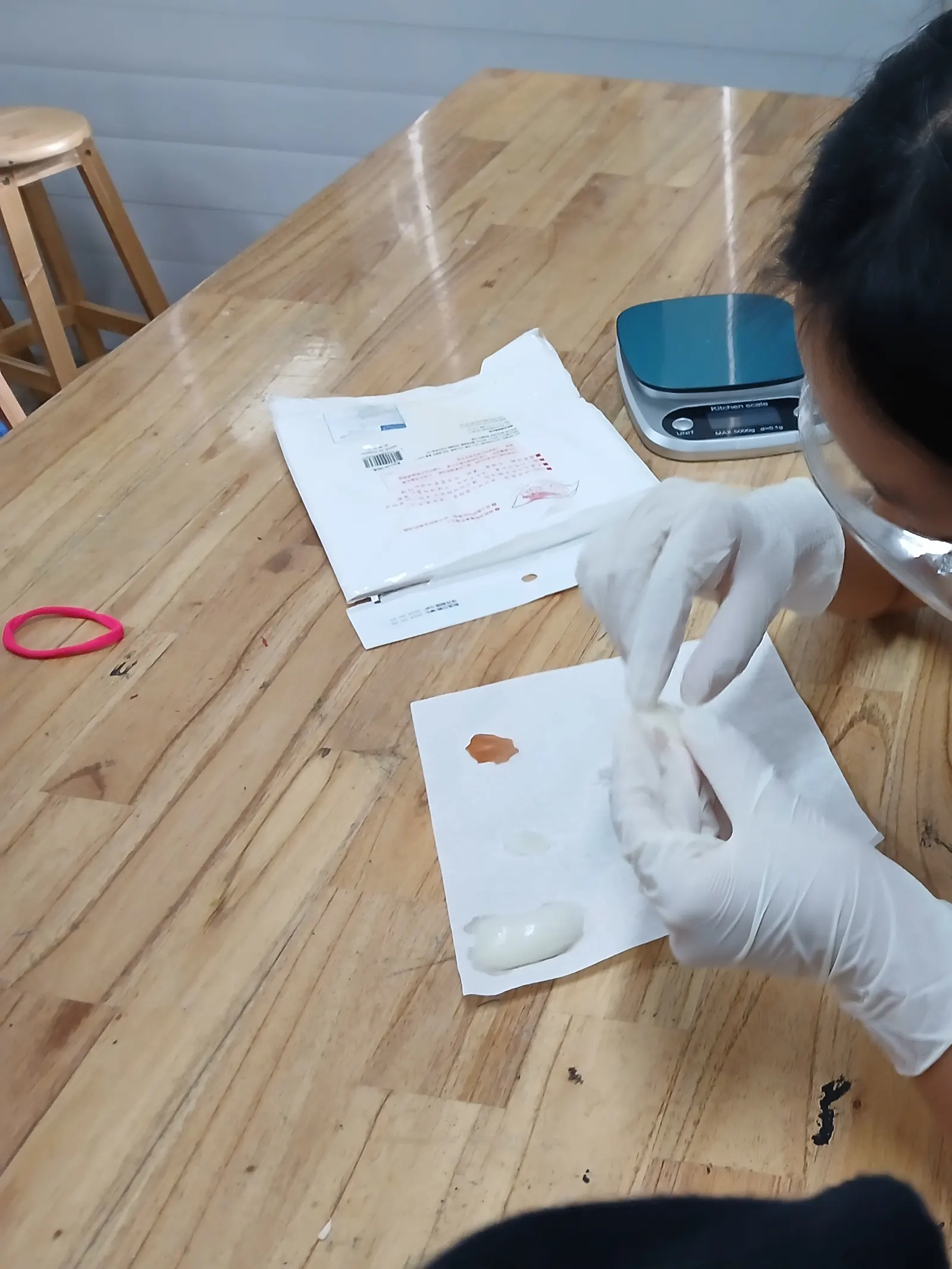
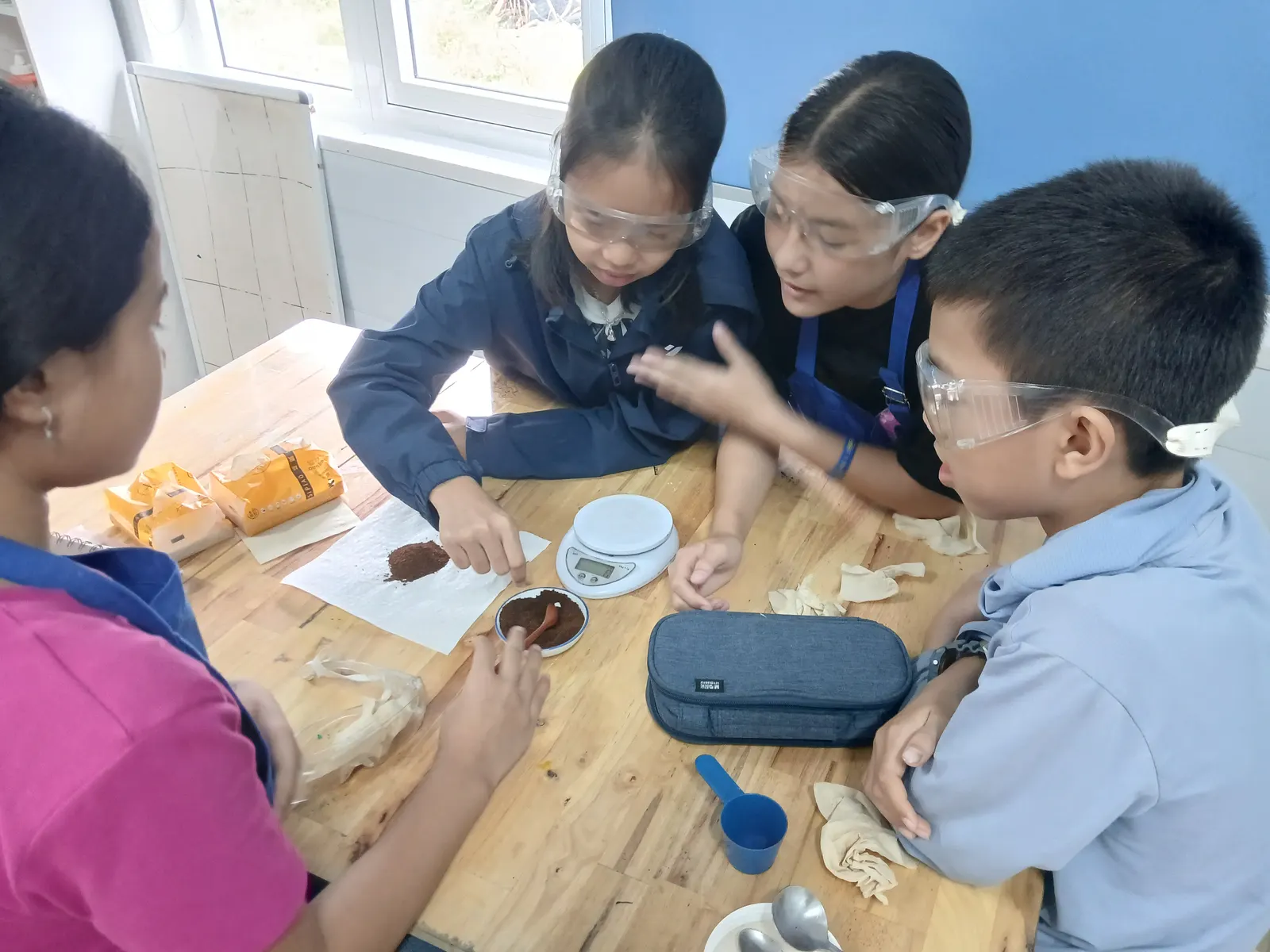
Every practical starts the same way: goggles on, apron on, gloves on, bench clear. Then students prepare their own samples, weigh them, run the test and write up what the numbers actually say. The write-up is in English, and so is the argument about whose result is right. Art of Science in the afternoon picks up whatever the morning's lesson opened up.
Monday to Friday
A Lower Secondary day
The Cambridge core first, then History or Executive Function. Afternoons are for making, moving and experiments.
- ArriveSoft start
- Homeroom
- Maths, English, ScienceSnack break at 10:25
- History or Executive Function
- Lunch
- Afternoon classesArt of Science, Maker Space, Movement, Wellbeing
- Home time
After lunch
Specialist and vocational
The afternoon classes, in English, with the tools out and the vocabulary to go with them.
Art of Science
Experiments that use the morning's science.
Maker Space
Technology and design. Tools, materials and a problem: students design, build, test and present.
Movement
Sport and fitness.
Wellbeing
A class on the things that make the rest of the week go better.
Review
Time to catch up and ask the question you did not ask in class.
History and Executive Function
Late morning, before lunch. The past, and the habits that get work done: planning, organizing, finishing.
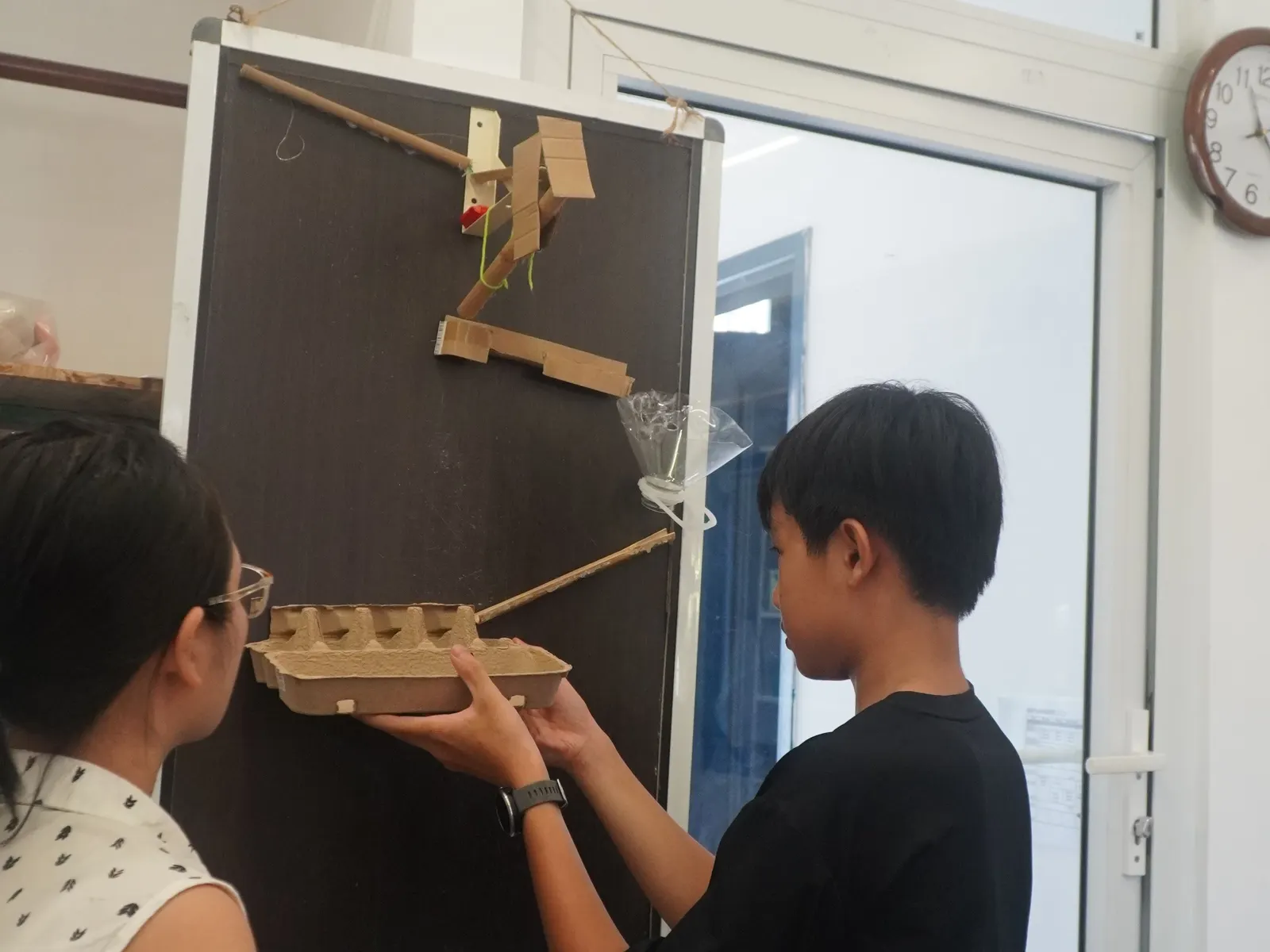
In the Maker Space
Design it, build it, explain it
The technology class. A problem, a pile of materials and a deadline: a chain-reaction machine on a board, for instance. Building it is half the class. Presenting it, and answering the questions, is the other half.
Executive Function
The habits that get work done
A timetabled class, late morning, alternating with History. It is about the part of studying nobody teaches directly: planning a piece of work, breaking it up, keeping track of it, and finishing it.
Some of it is routine — packing the right kit, knowing what a lesson needs before it starts. So one of last year's tasks was to make the reminders the classroom actually uses — what to put on before a practical, what to bring to sport — and they are still on the wall.
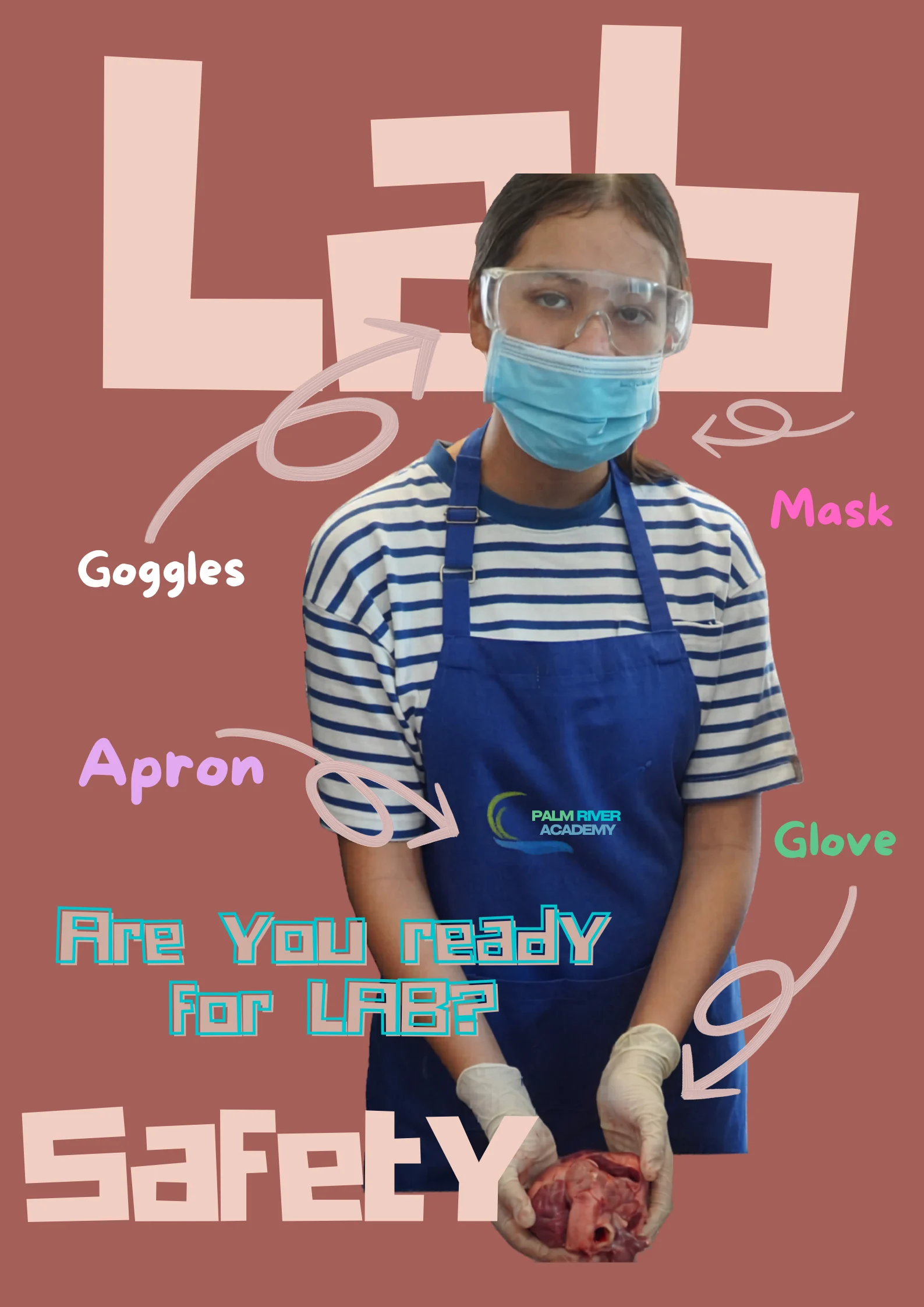
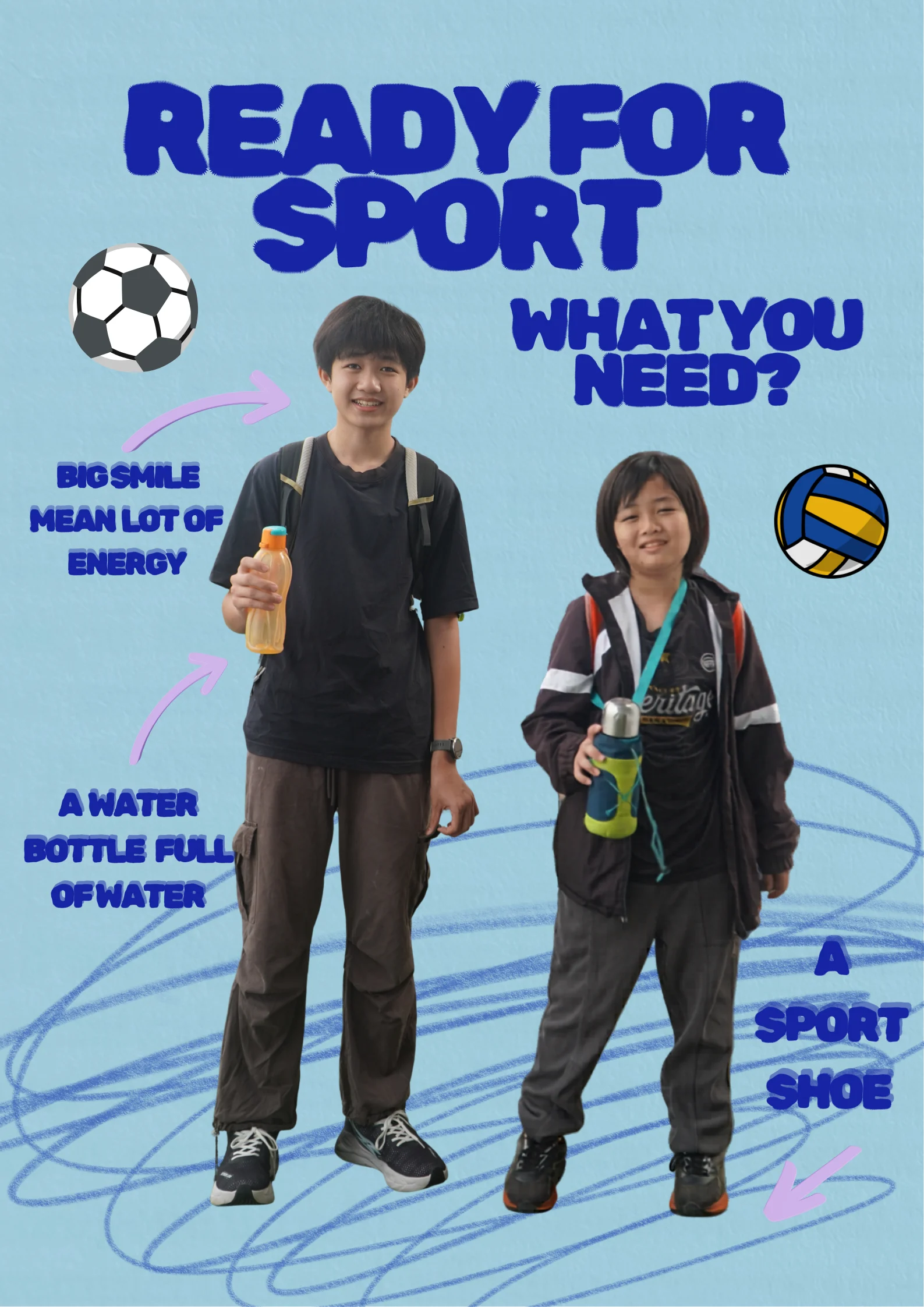
Made by our Lower Secondary students in Executive Function.
What comes next
Upper Secondary
After Lower Secondary, students move into Upper Secondary, where each student follows a plan built around their own goal.
Questions parents ask
Can a student join partway through the year?
Yes, we admit students all year. Tuition runs from your child's first day, and we meet them before they start so they join the right class.
How do you handle gaps from a previous school?
We meet every student and read their last report before they join, so we know where the gaps are. If we can meet your child's needs, we make a support plan with you; our teachers are trained to support autism, ADHD and learning differences. When a child needs more, we refer families to The LA Center for one-to-one support and assessments, arranged and paid for by the family.
Do you teach Vietnamese?
We offer Vietnamese as a second language. The language classes change from year to year with student interest and staffing, so ask us what is running this year.
Come and see it for yourself.
Walk around with us for an hour, Monday to Friday. Not in Hội An yet? We will do a video call.