
Upper Secondary · ages 14 to 18
A plan built around your child
We sit down with you and your child, agree what they are working towards, and build the academics around it. All of it is in English, and for many students the next step is studying abroad.
The academics
A plan for each student
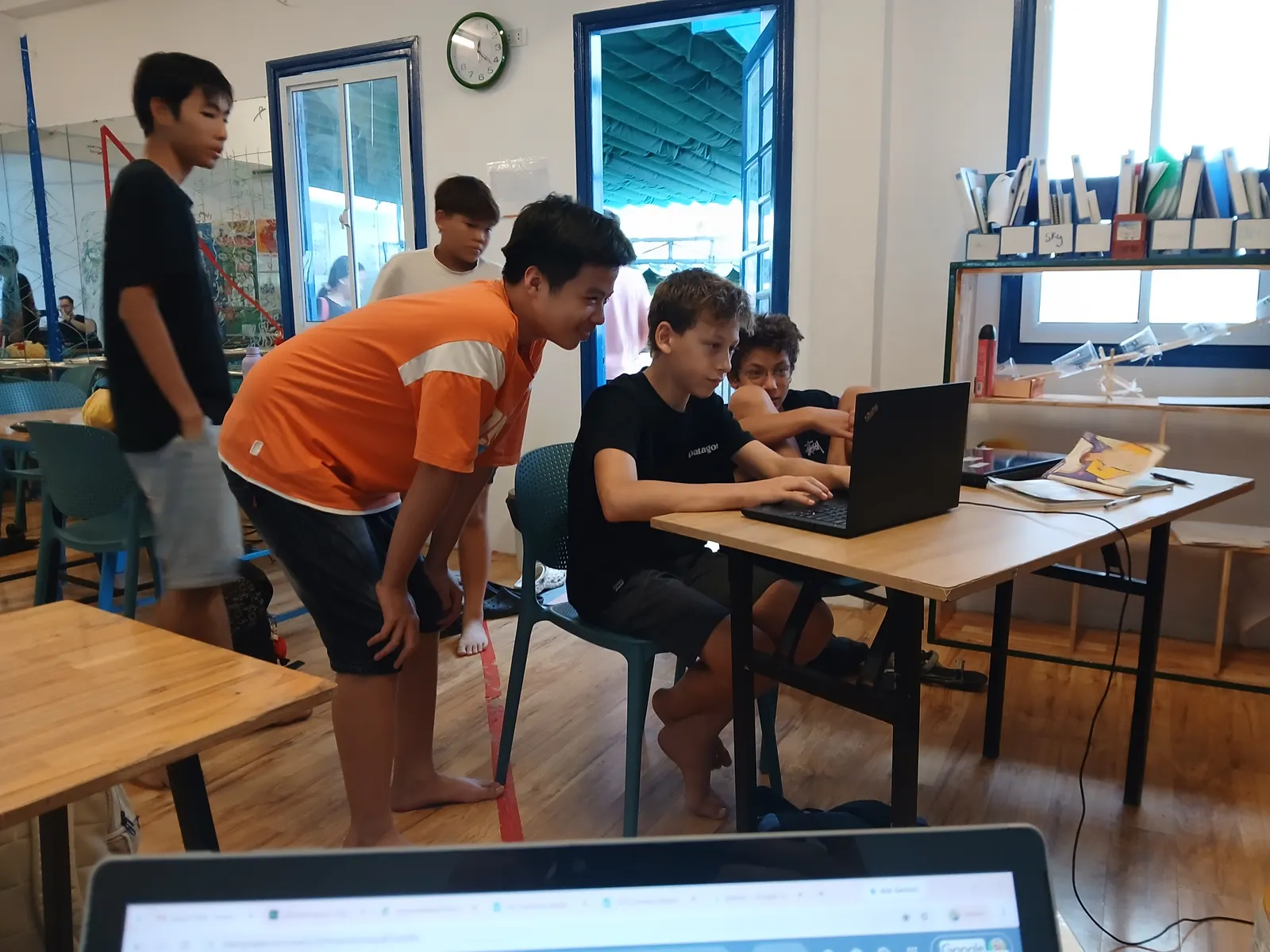
Every student works to their own plan. The courses are online, but nobody is left alone with a screen: a PRA teacher is in the room every morning, coaching, teaching the hard parts, and keeping track of what is due.
All of it is in English: the reading, the writing, the presentations, the work they hand in. Students who are still building their English spend the whole morning using it.
For many students the next step is a school or university abroad. We choose the subjects with that in mind, and we work on the English they will need once they are there.
How it works
First, a conversation
Every student's plan is their own. We start with where they want to end up.
Talk it through
We meet you and your child and look at what they have done so far, then agree a goal. It might be university abroad, a career, or nothing fixed yet.
A plan that fits
The subjects and the pace follow that goal. If a course is not enough on its own, a teacher teaches the topic properly.
Learning by doing
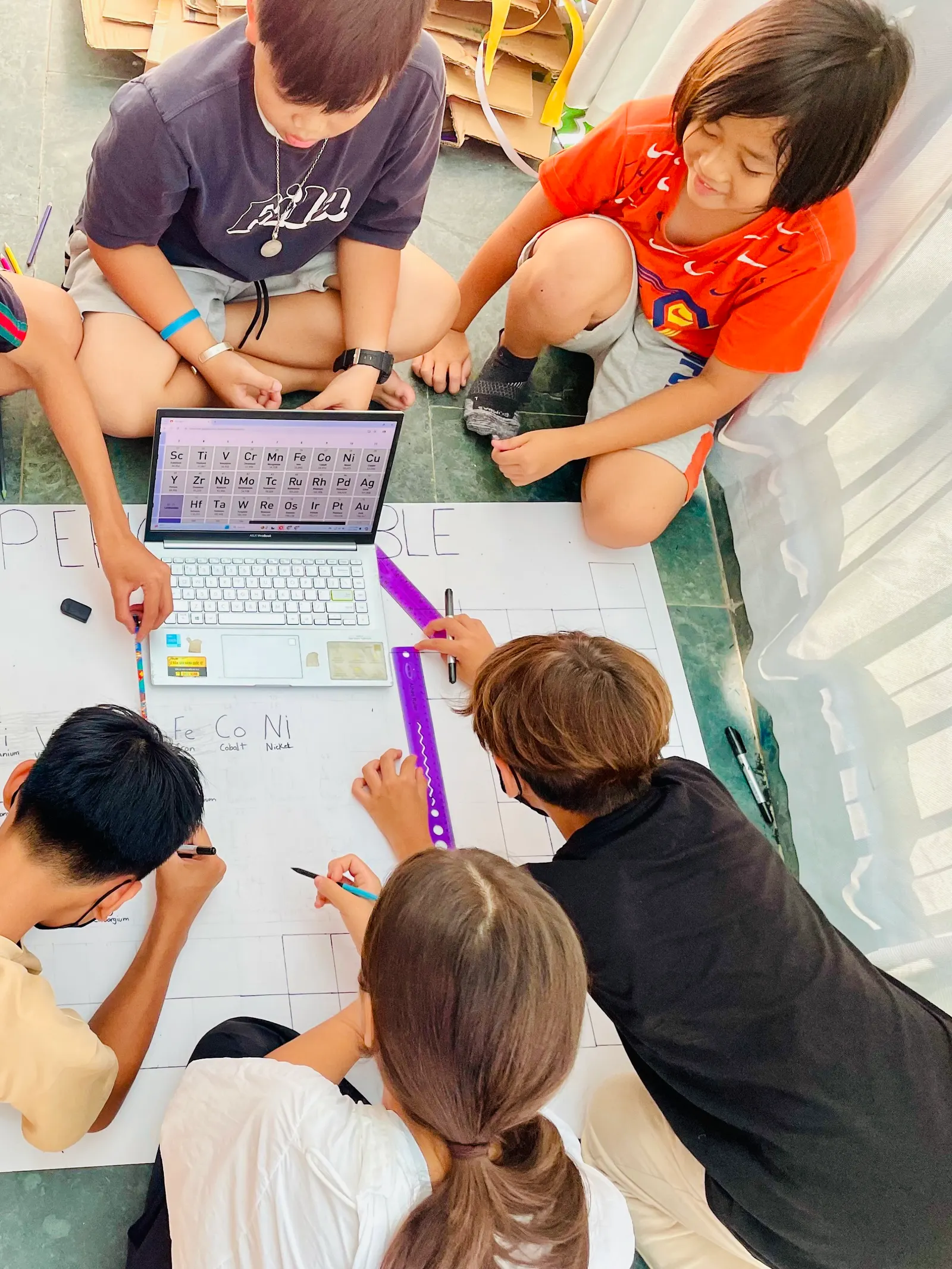
Alongside the coursework: a personal project each year, a trip they plan themselves, and for some an internship or a turn helping in the younger classes.
Monday to Friday
An Upper Secondary day
Mornings on their own courses, afternoons together.
- ArriveSoft start
- Homeroom
- Block 1Their own courses, a teacher coaching
- Block 2After a snack break
- Lunch
- AfternoonsMovement, Wellbeing, electives, study time
- Home time
Afternoons mix Movement, Wellbeing, a choice of Maker Space or Art of Science, and study time. See the week at a glance.
Learning by doing
Measure it yourself
The quickest way to believe a formula is to go and get the numbers.
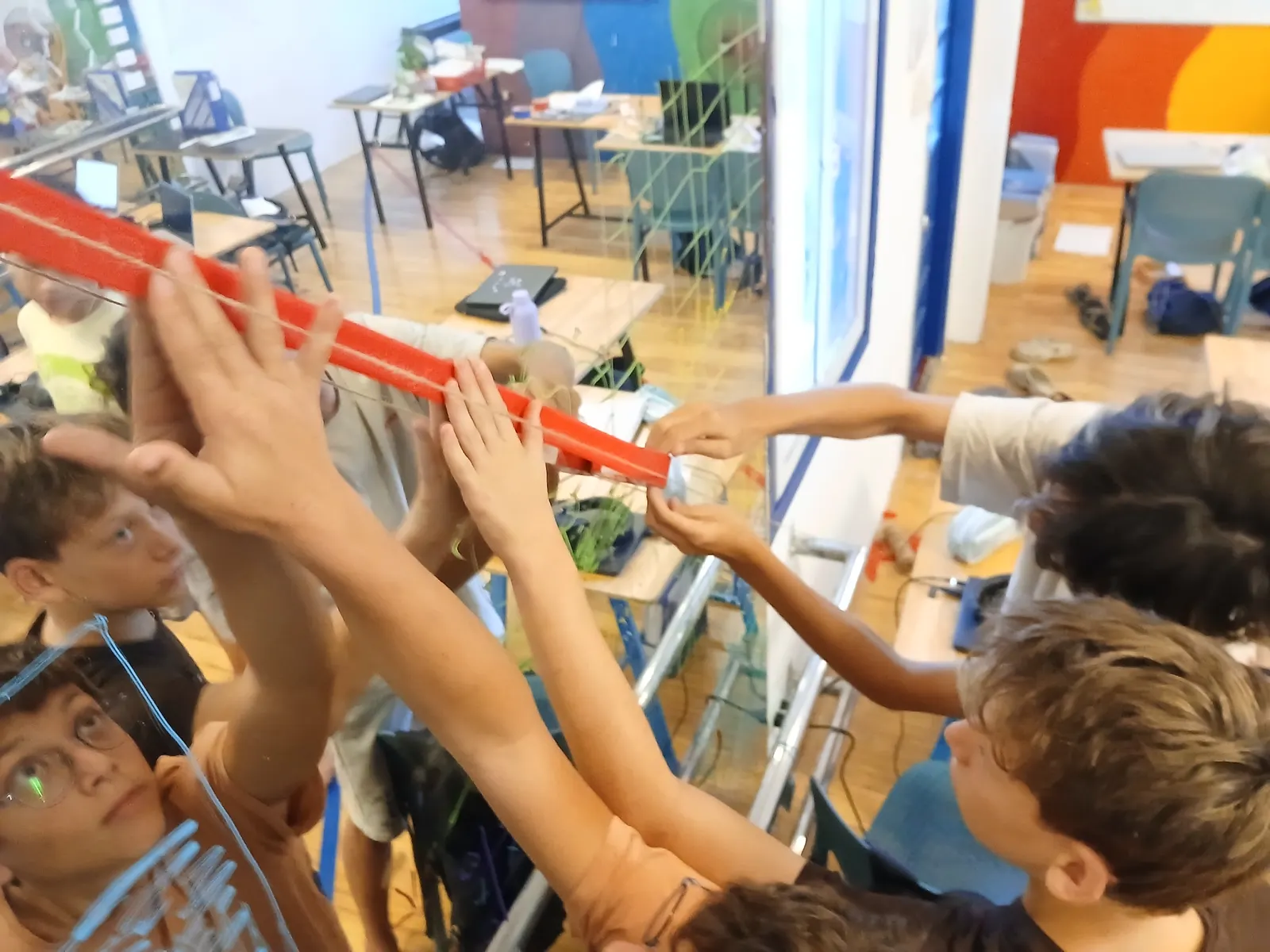
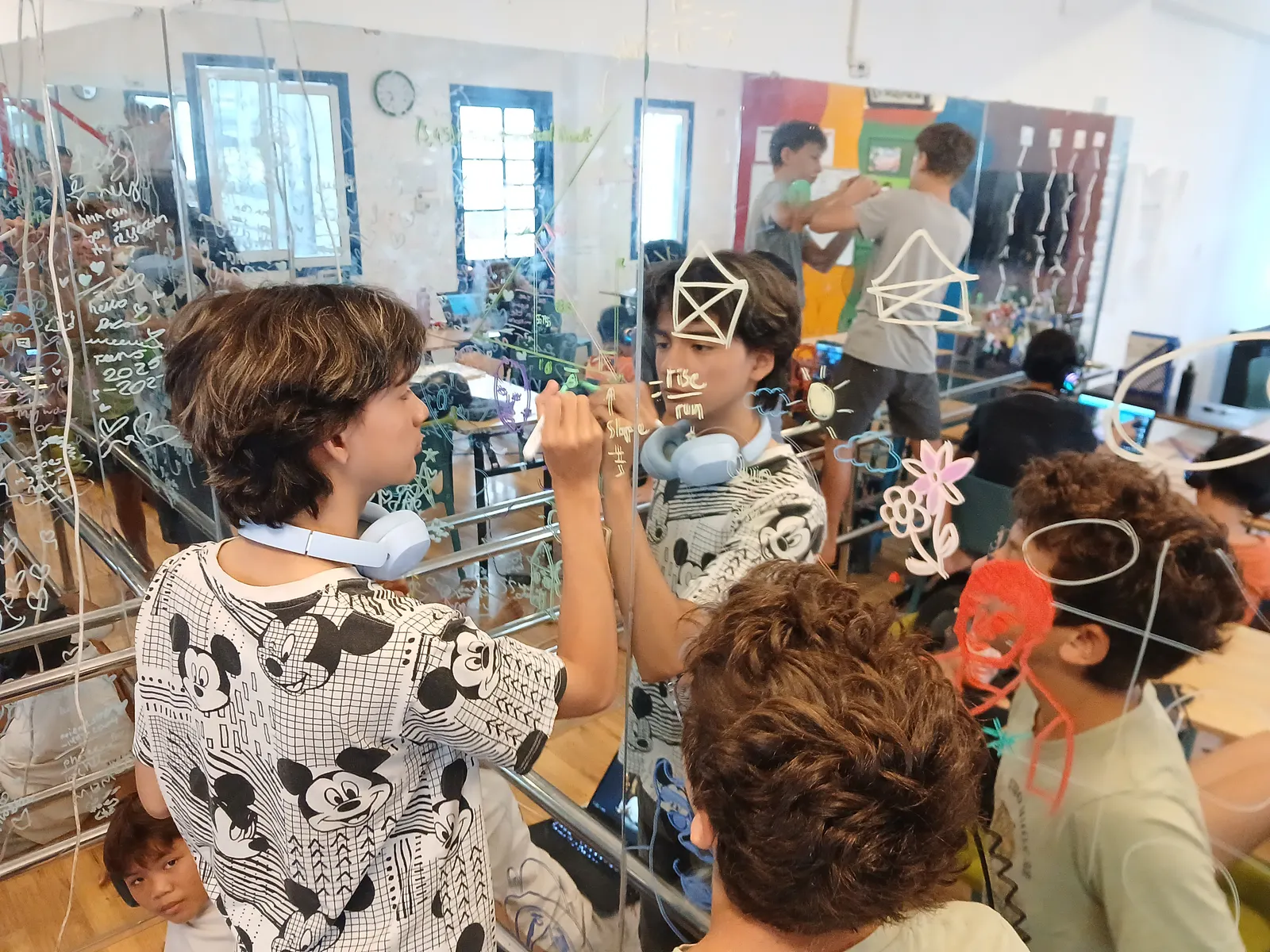
Maths off the page
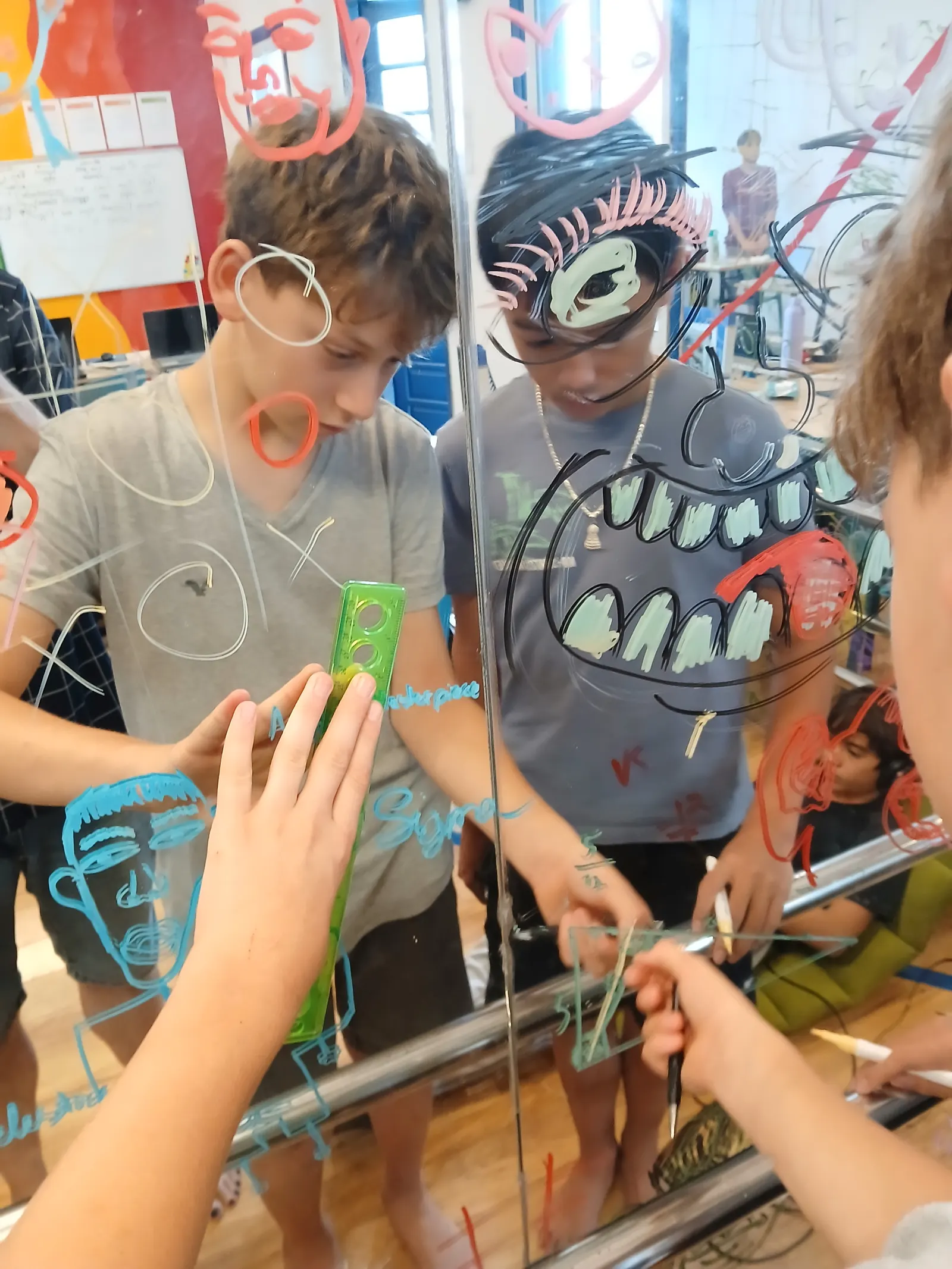
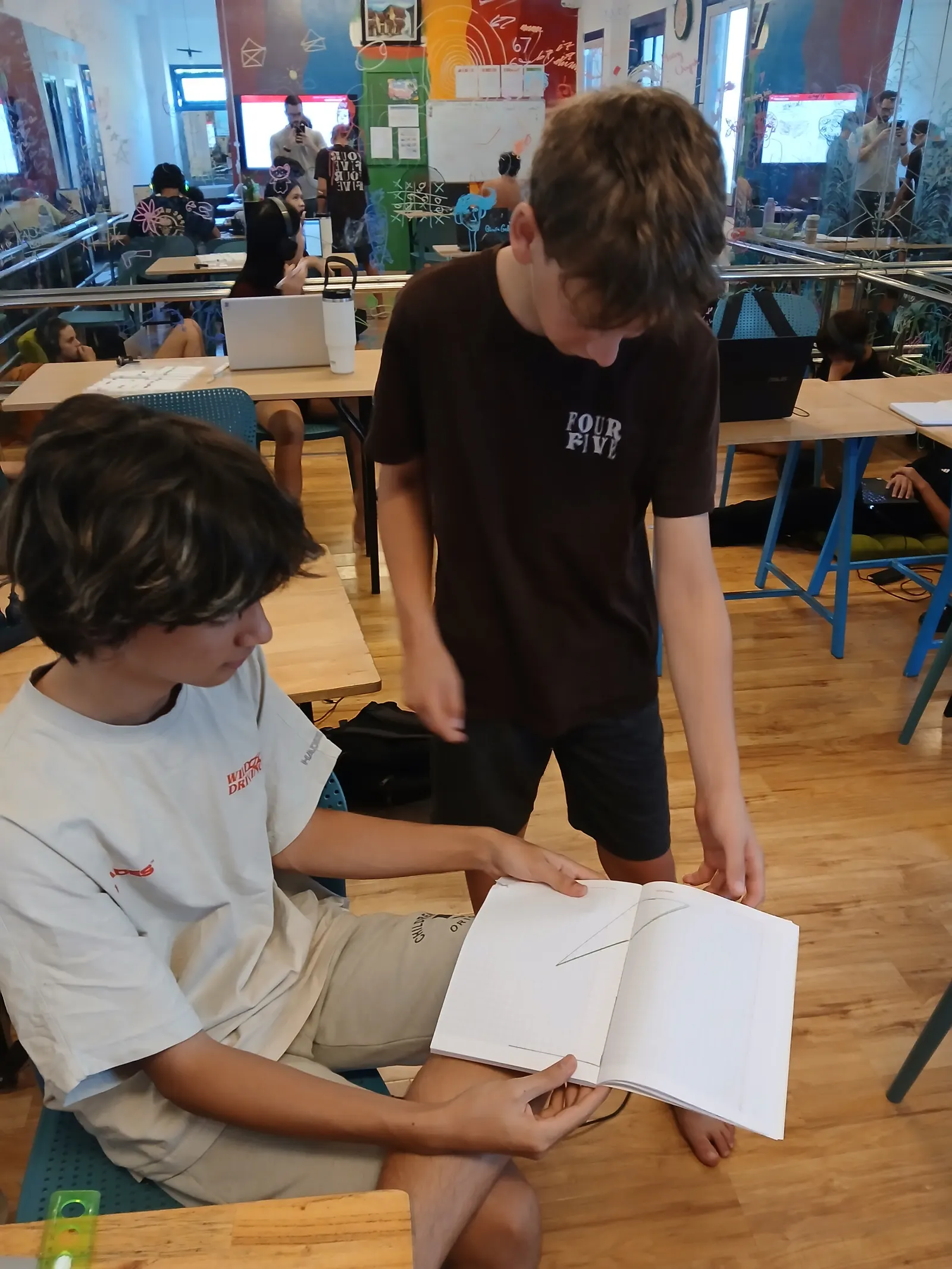
Height from a mirror on the floor and a pair of similar triangles. A gradient from rise over run, measured across the room with a level and a marker. The answer is checked against the thing itself, not against the back of the book. Then they explain it to the class.
The personal project
One project a year, their choice: a business, research, a film, an app, a garden. They set the goal, we hold them to it, they present it.
The trip
Đà Lạt, planned by the students
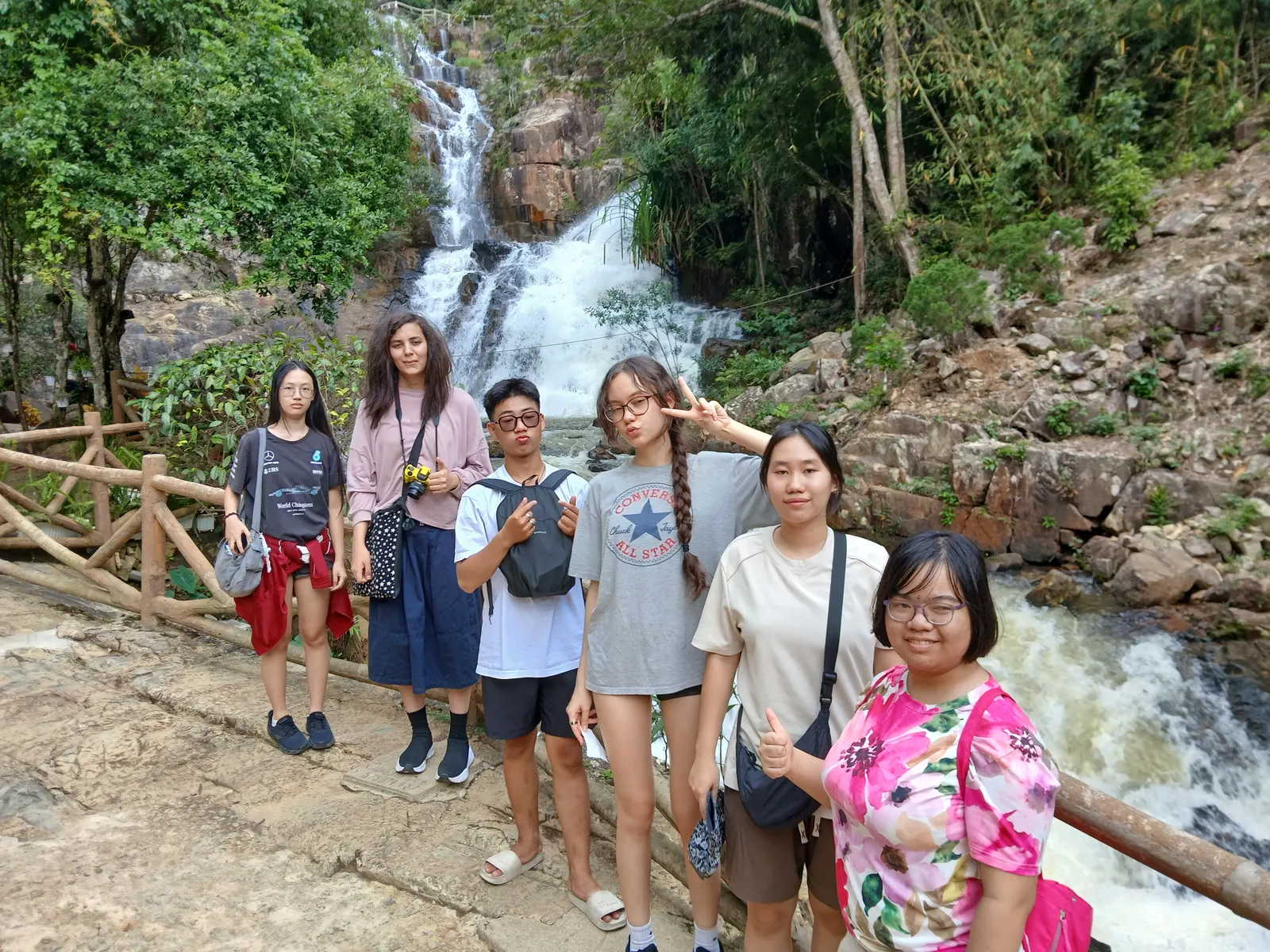
Once a year the Upper Secondary group plans a trip and then goes on it. The last one went up to Đà Lạt.
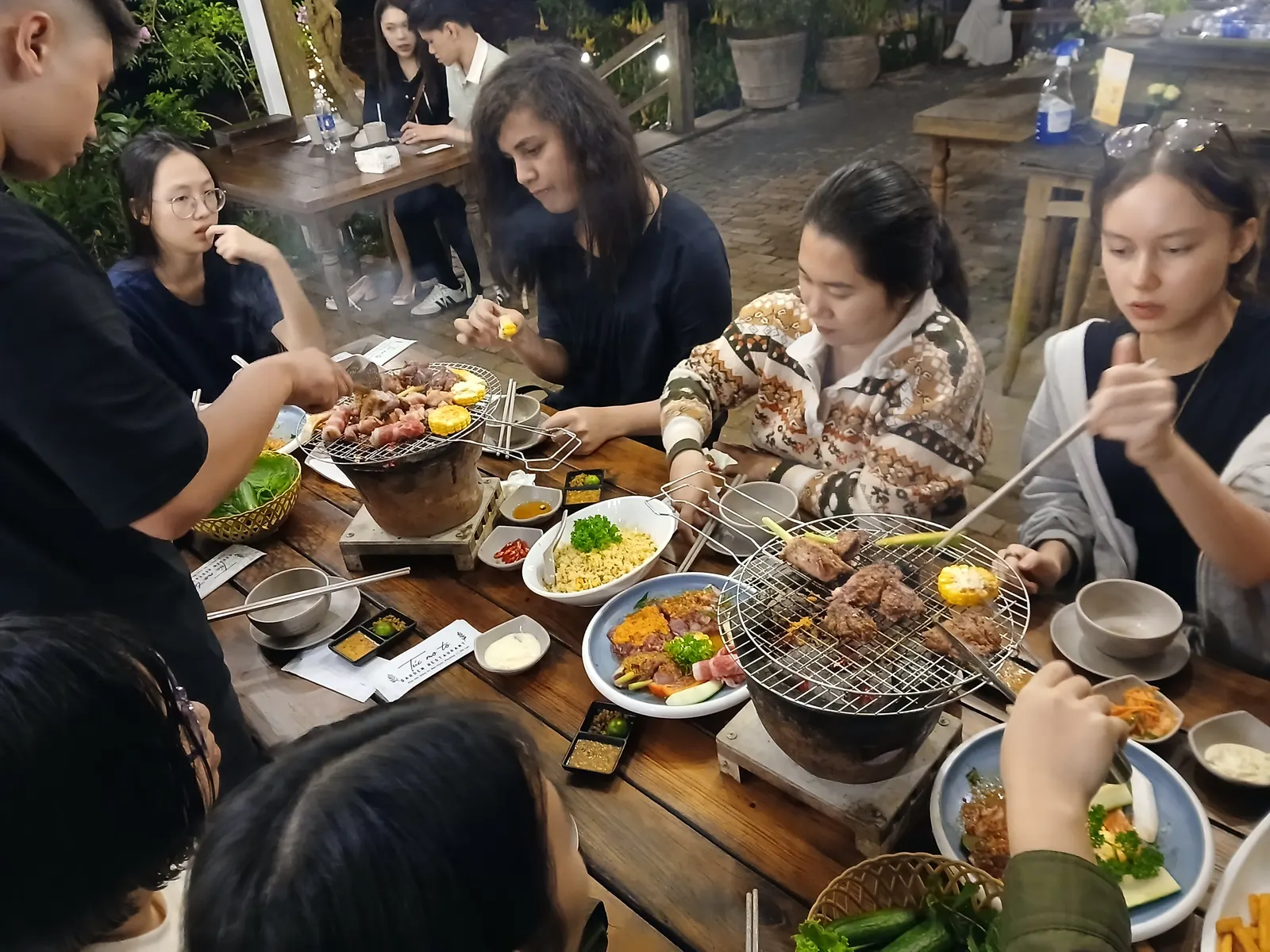
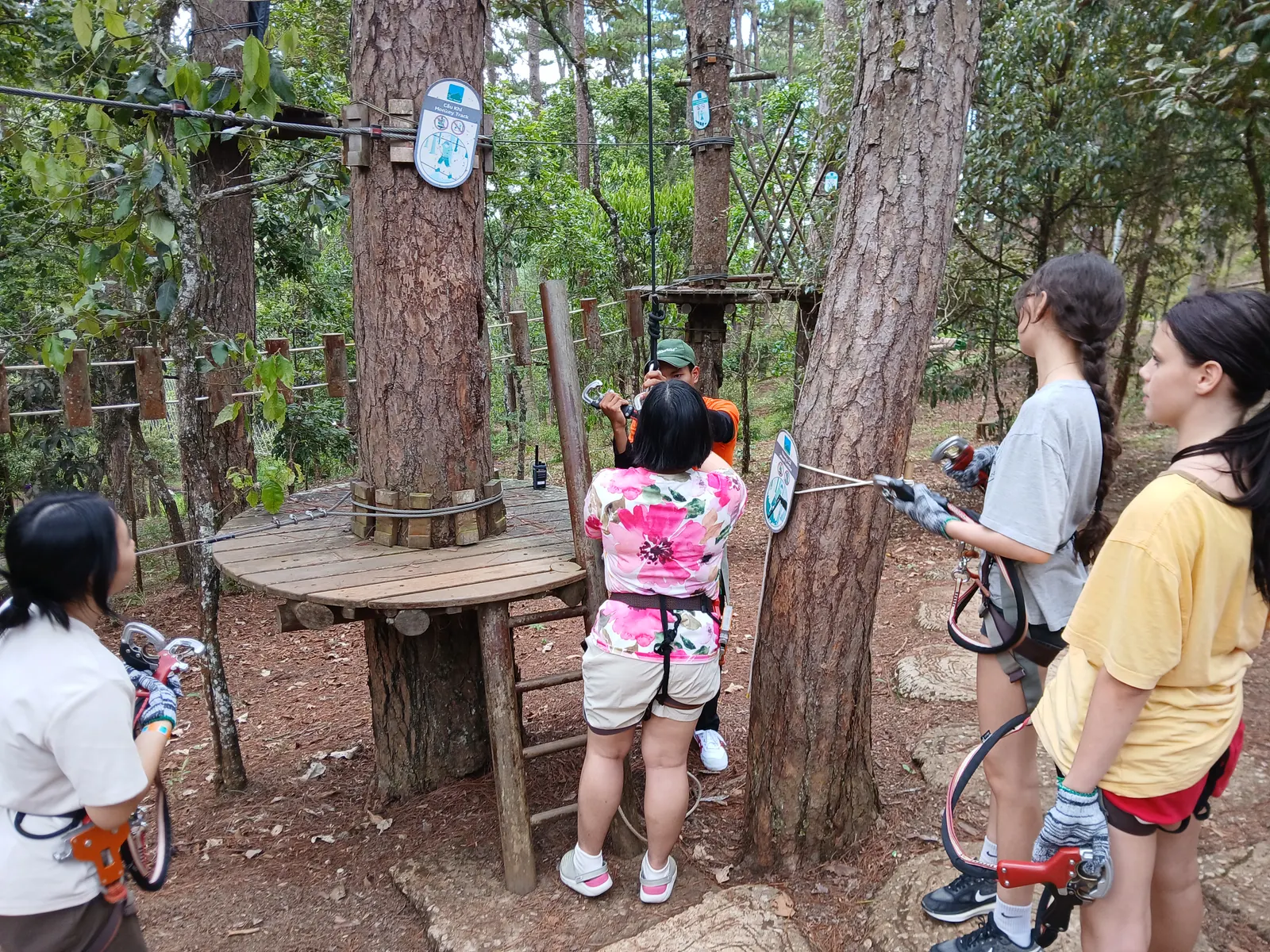
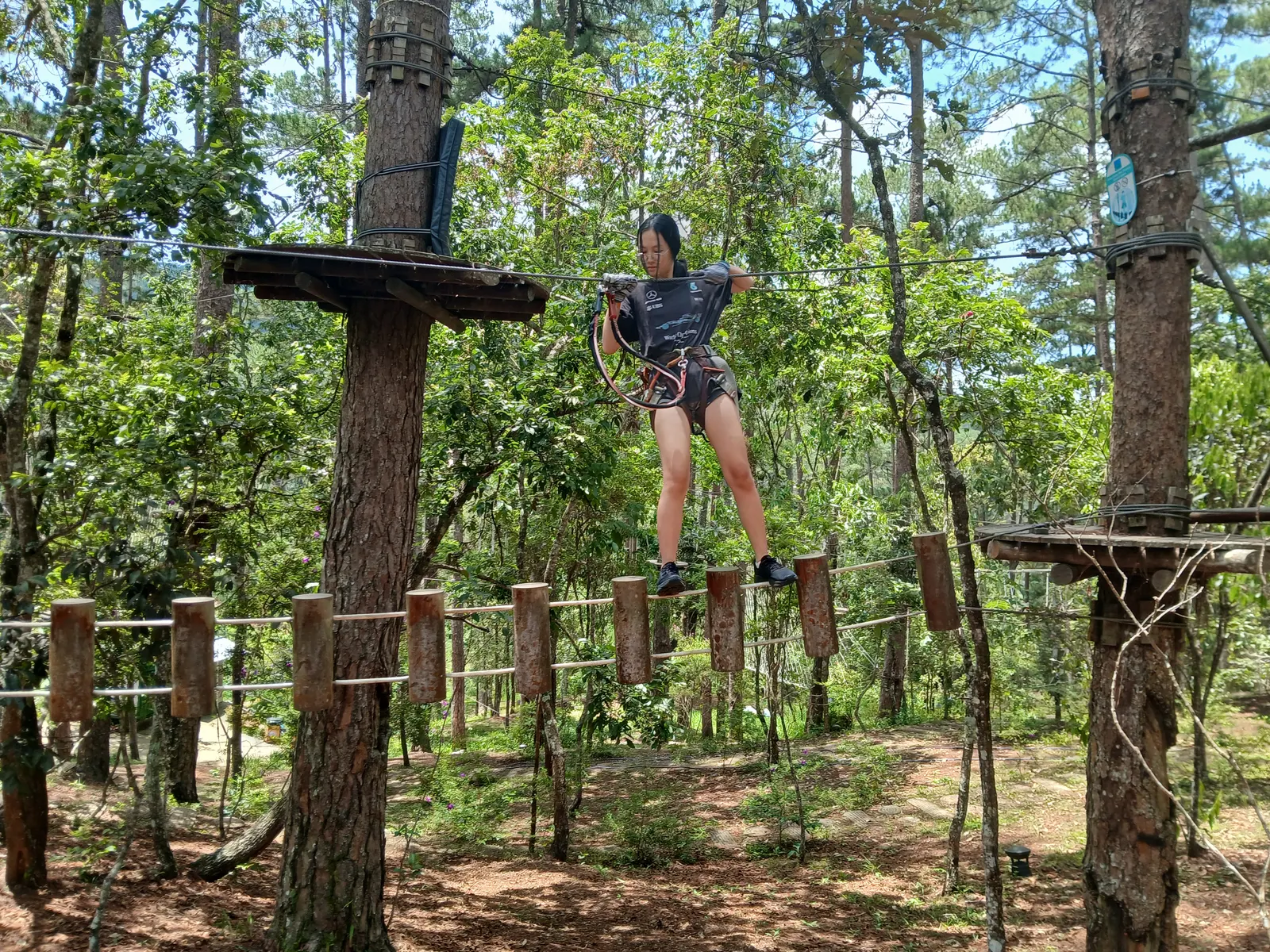
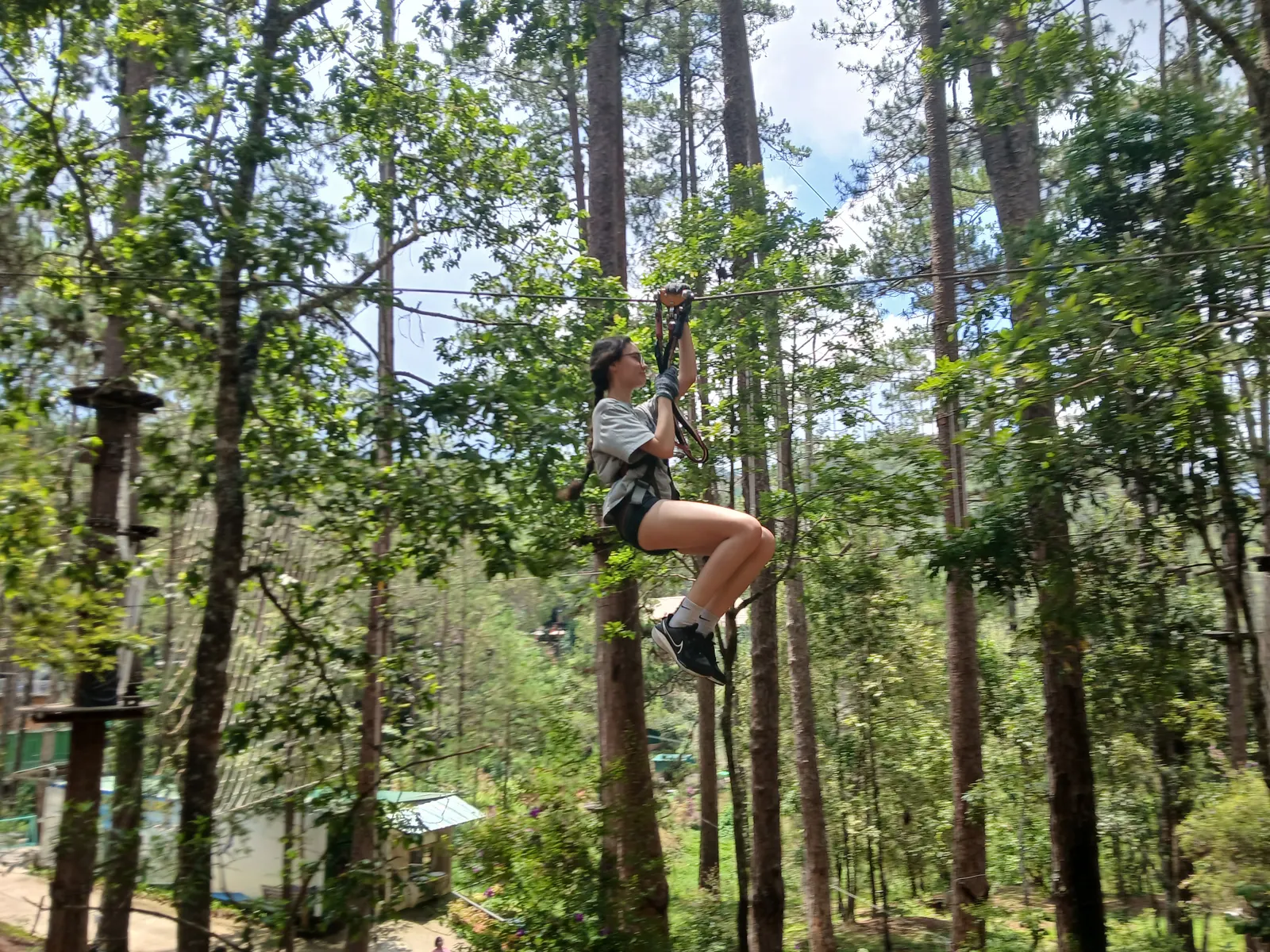
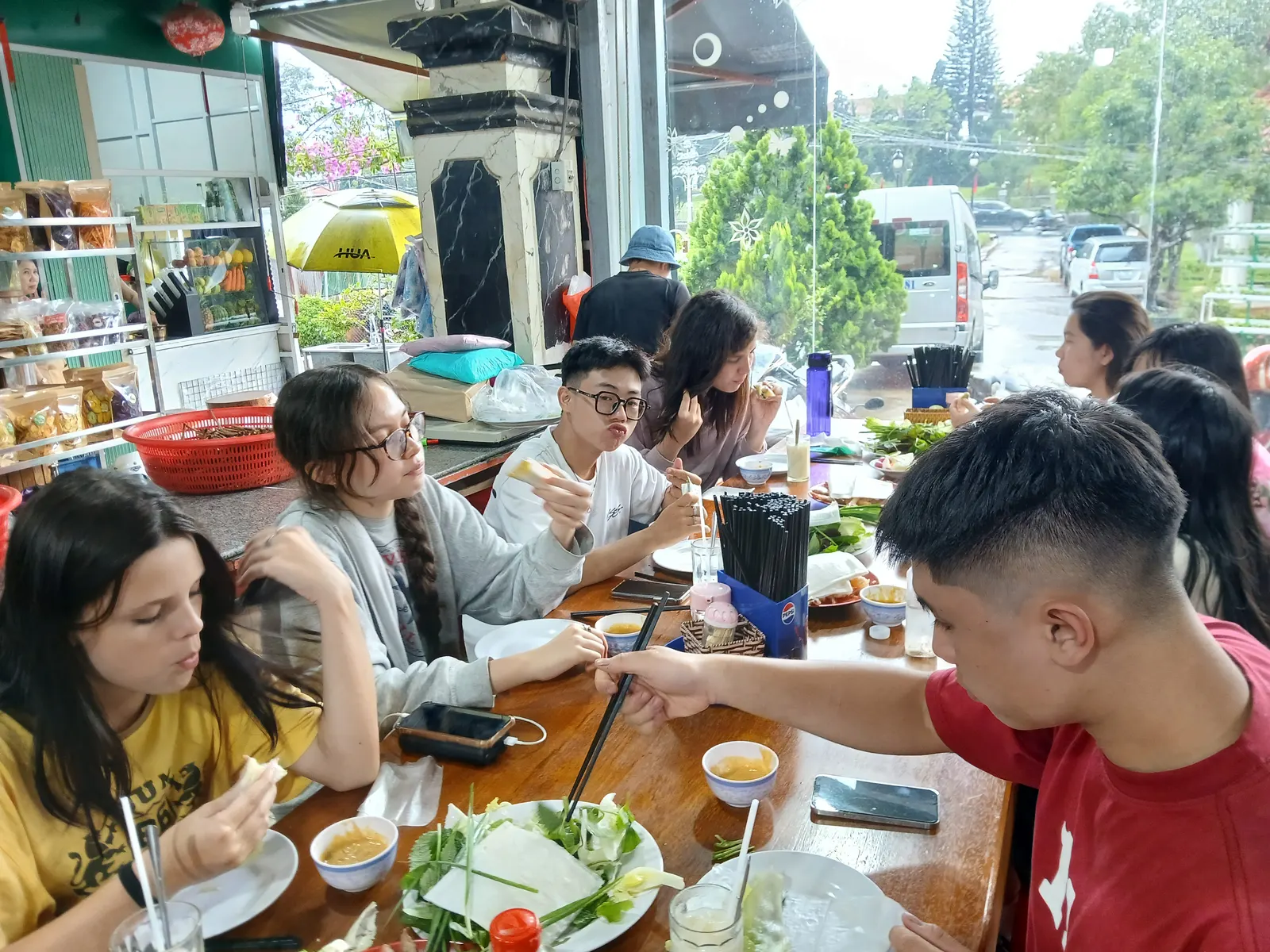
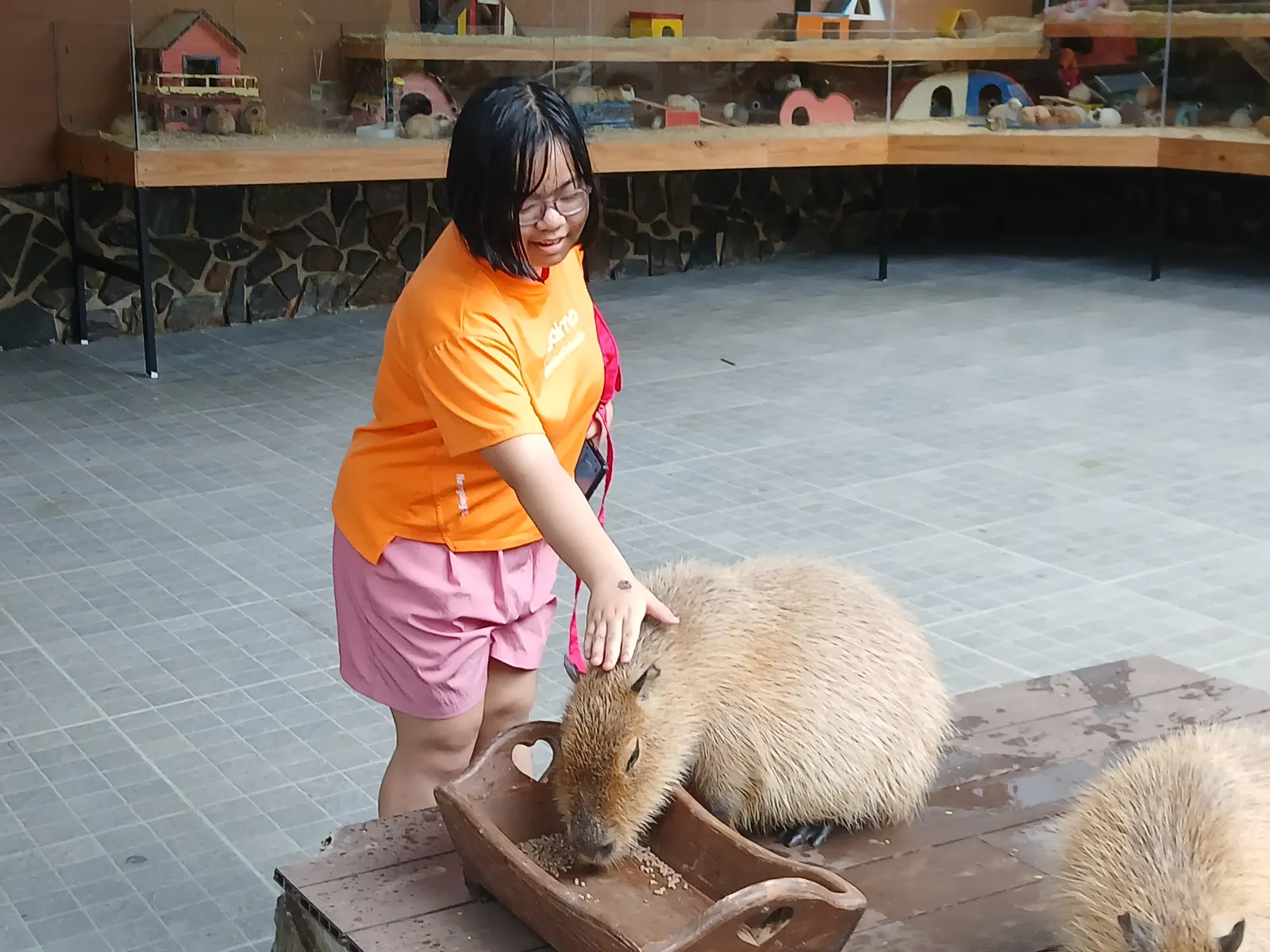
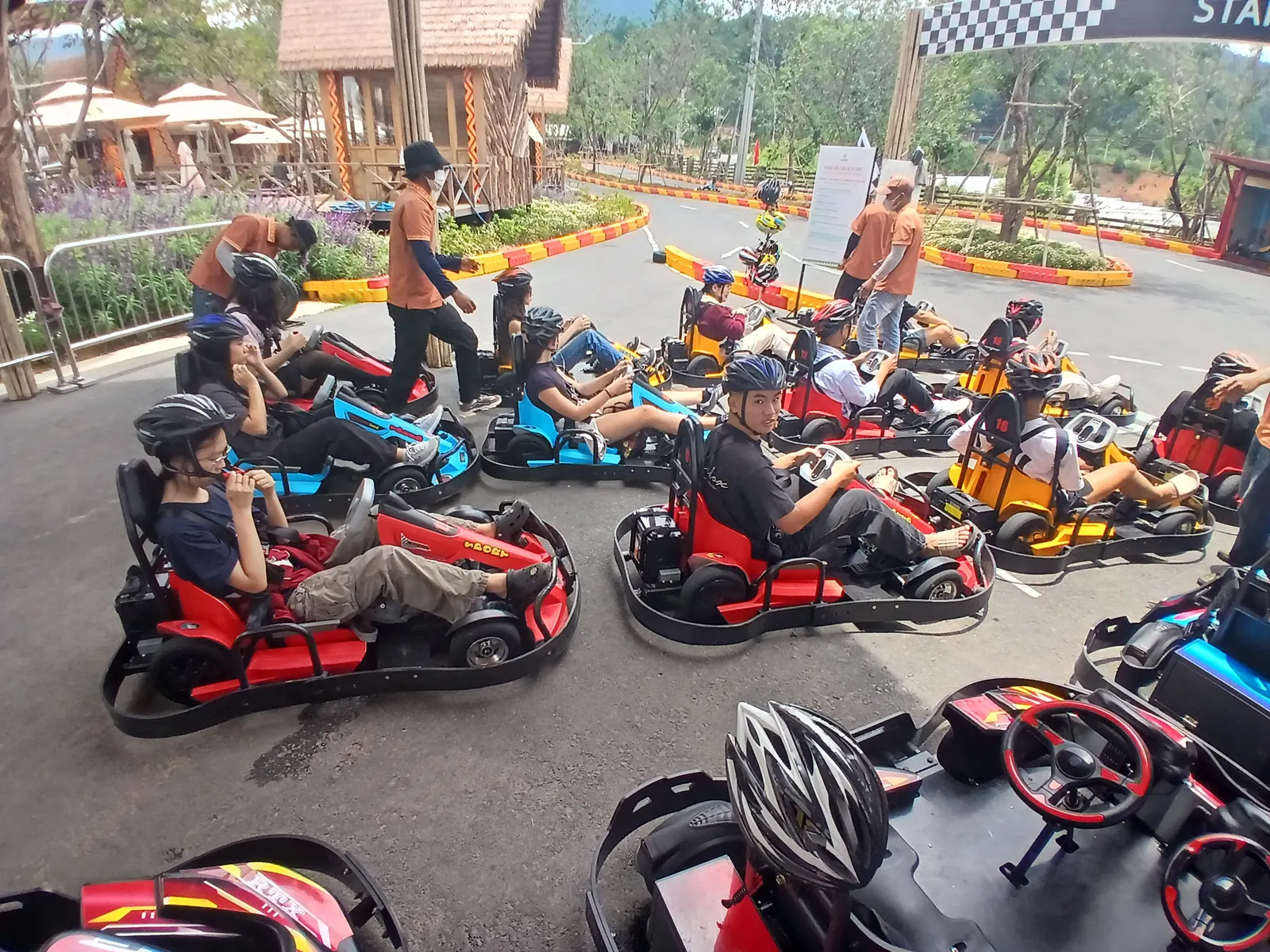
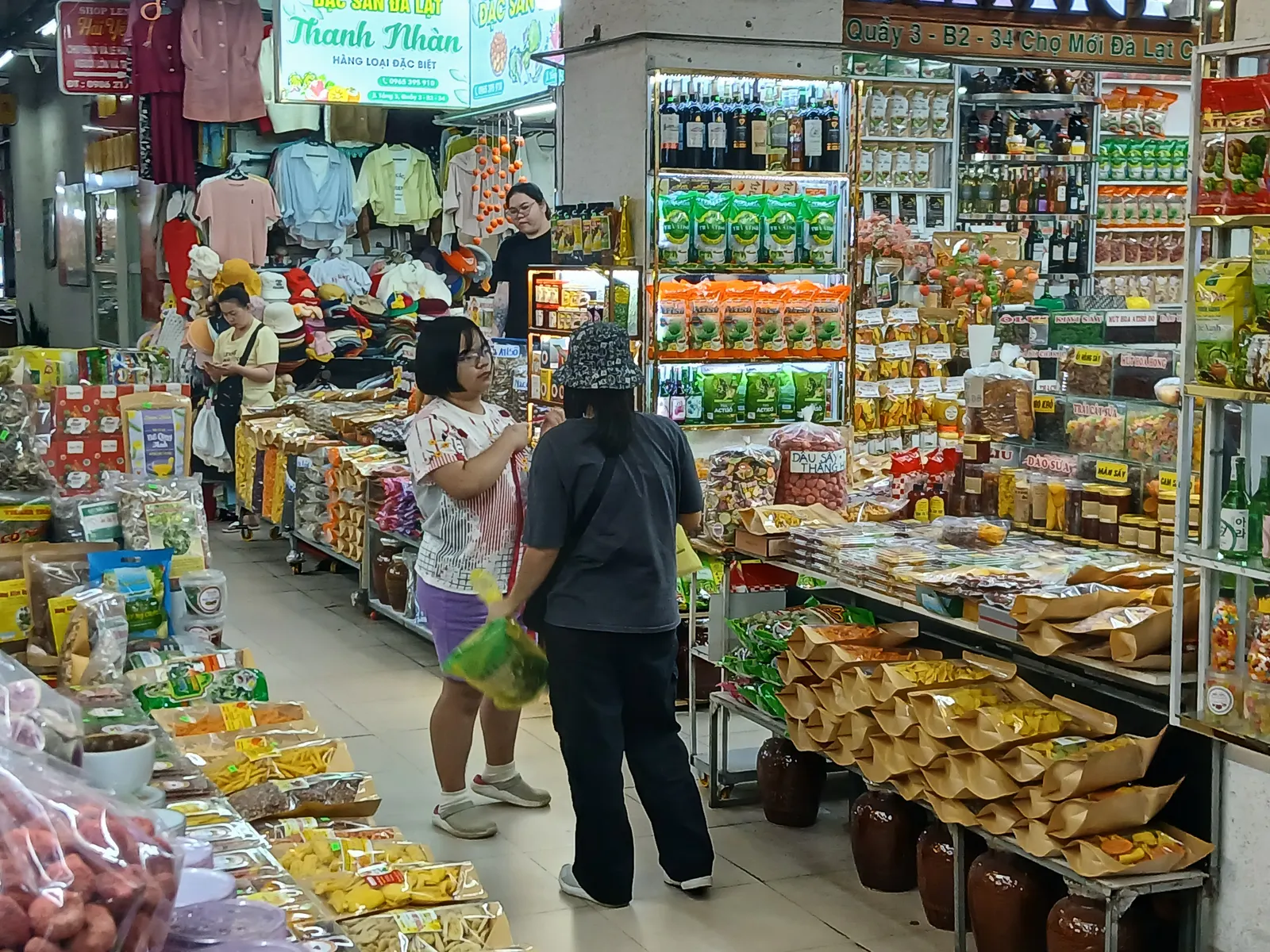
The students plan all of it. They book the tickets, arrange the lodging, decide where to eat and which activities to do, and cost every part of it against a budget they set themselves. They do the spreadsheets. Teachers travel with them and check the numbers. The itinerary is theirs.
Beyond the classroom
Internships and learning buddies
For some students, when it fits the plan, part of the week happens somewhere other than their desk.
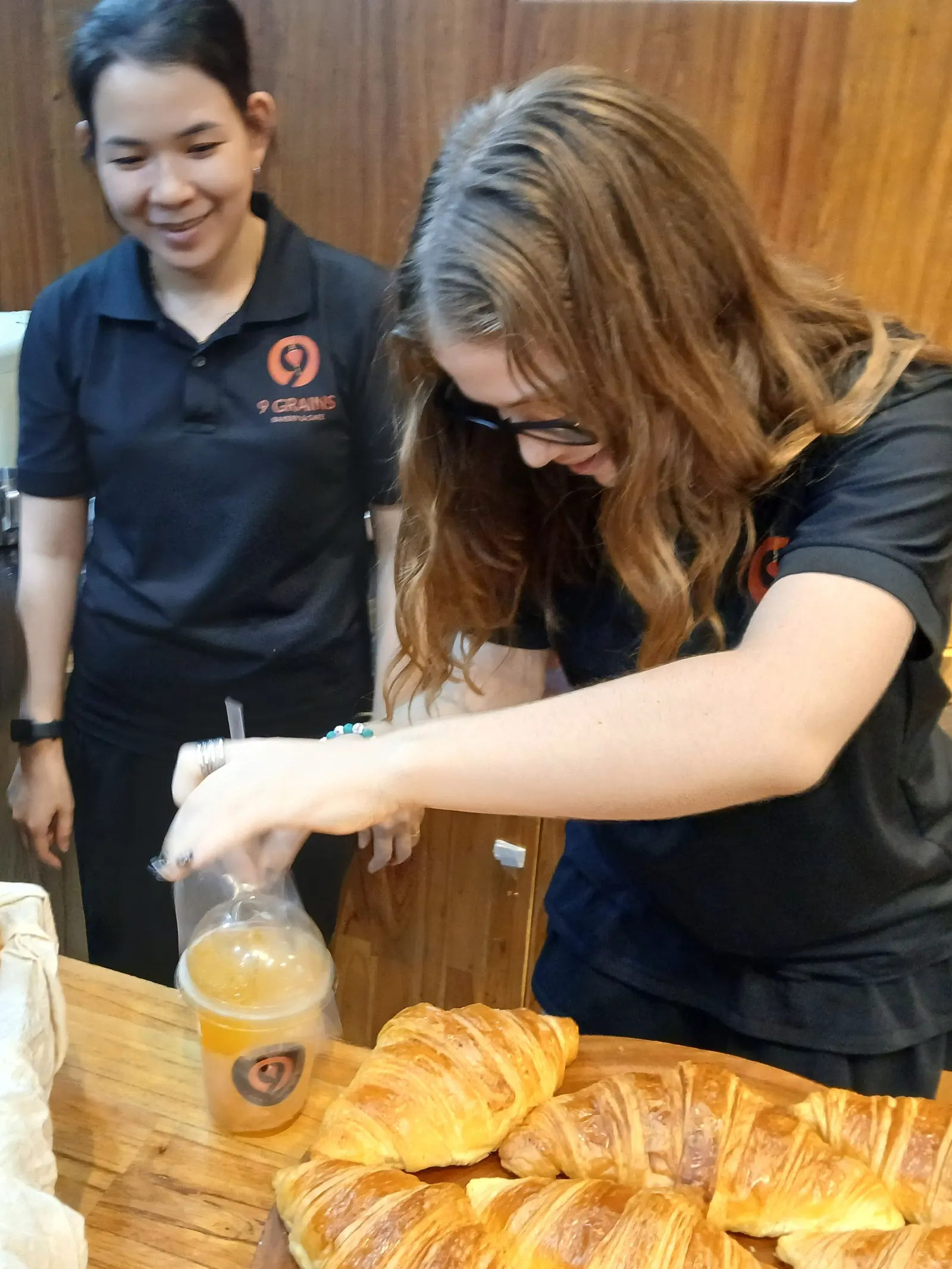
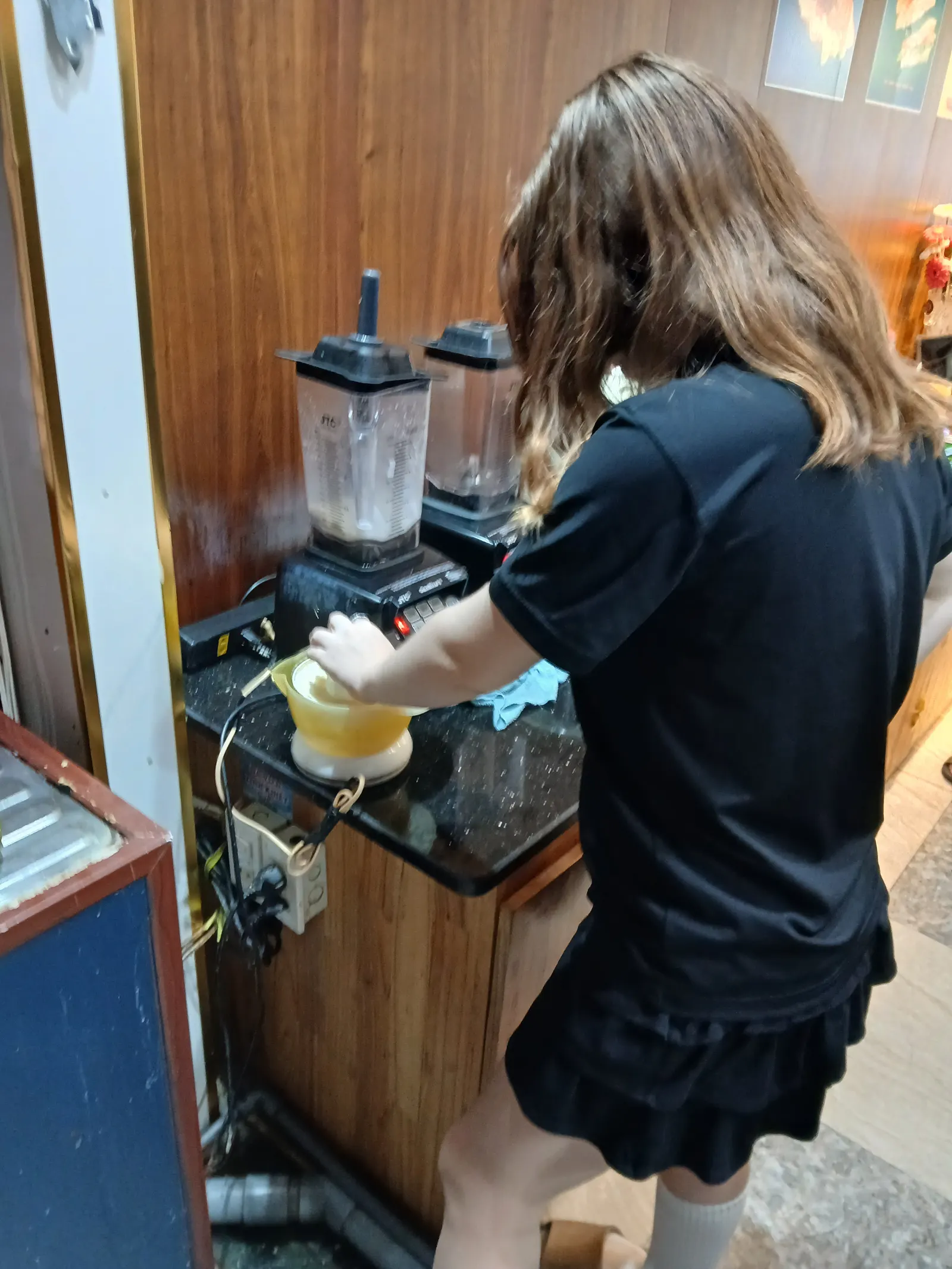
Time in a real job
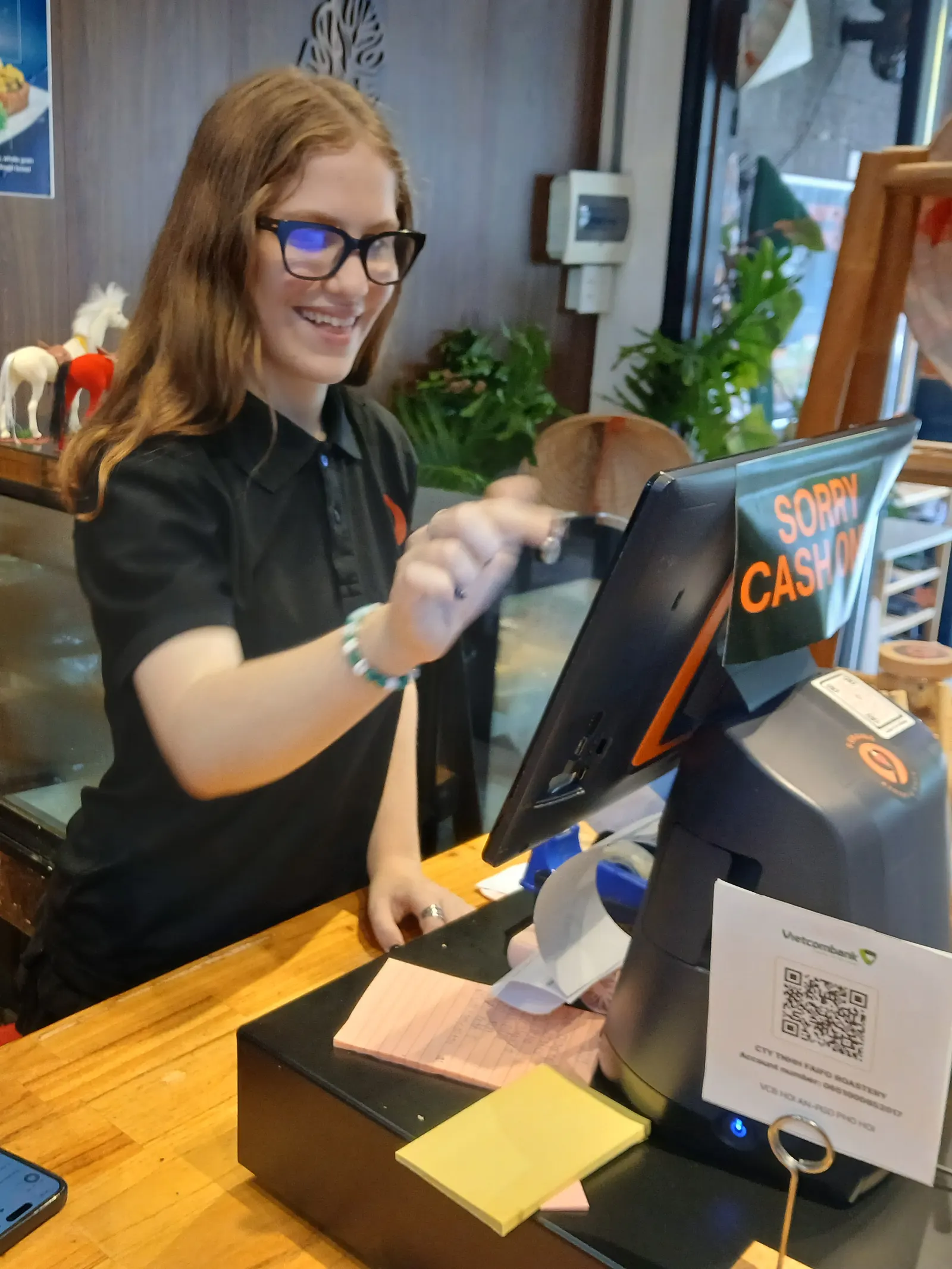
Some students spend part of their week working in a local business. Front of house, the kitchen, the till. They turn up on time, take instructions from someone who is not their teacher, and find out what a working day is actually like.
On the other side of the desk
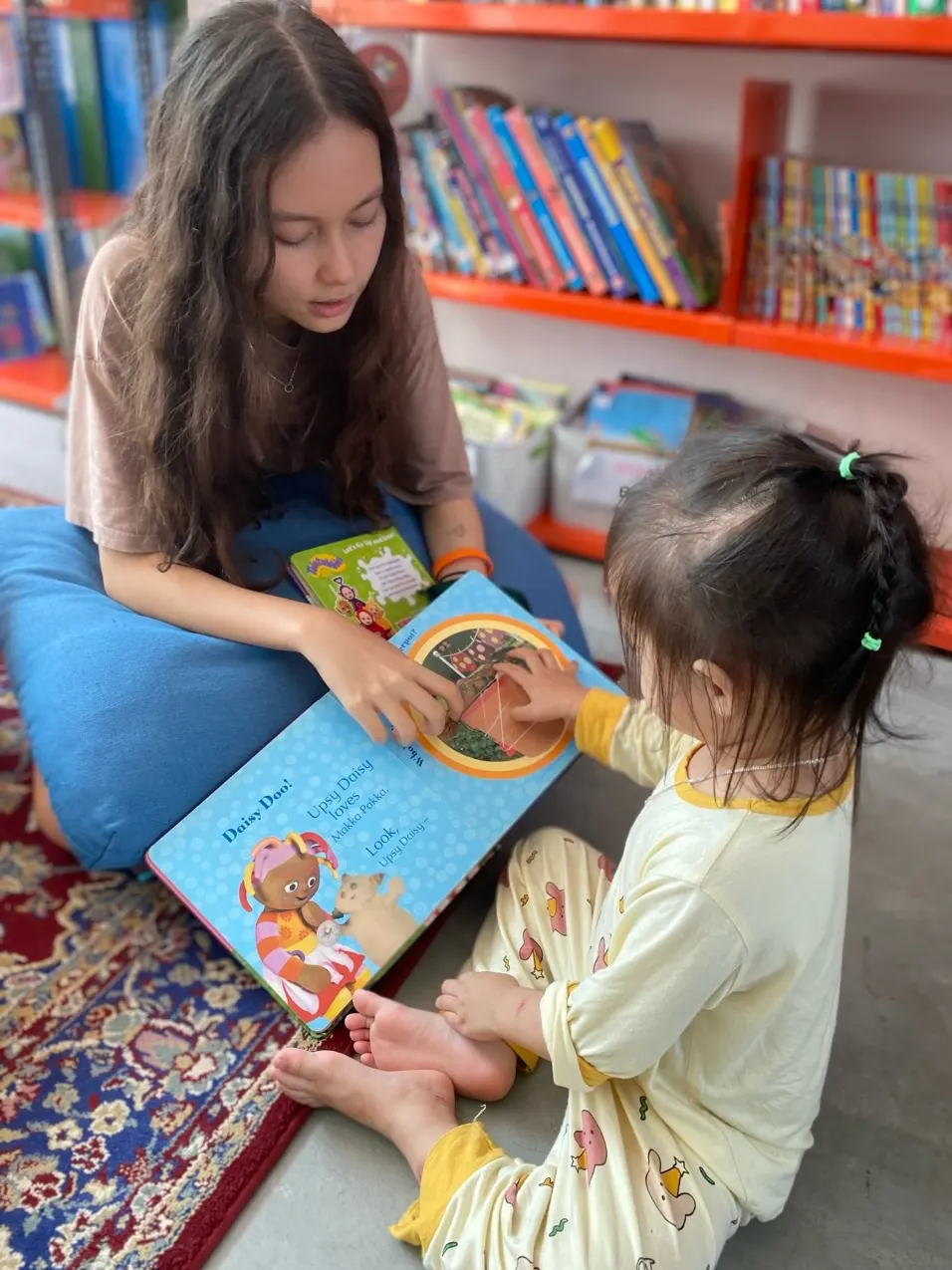
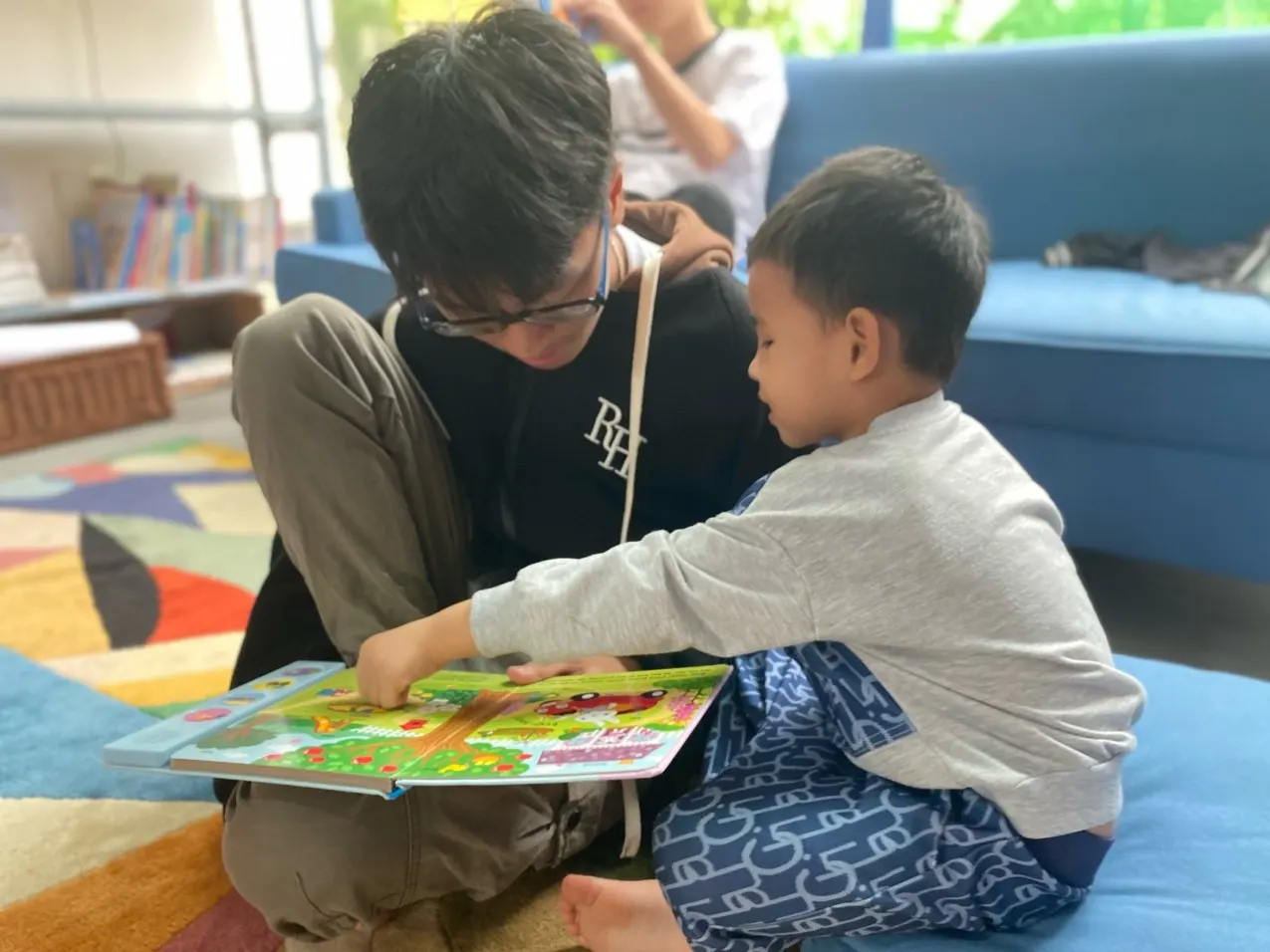
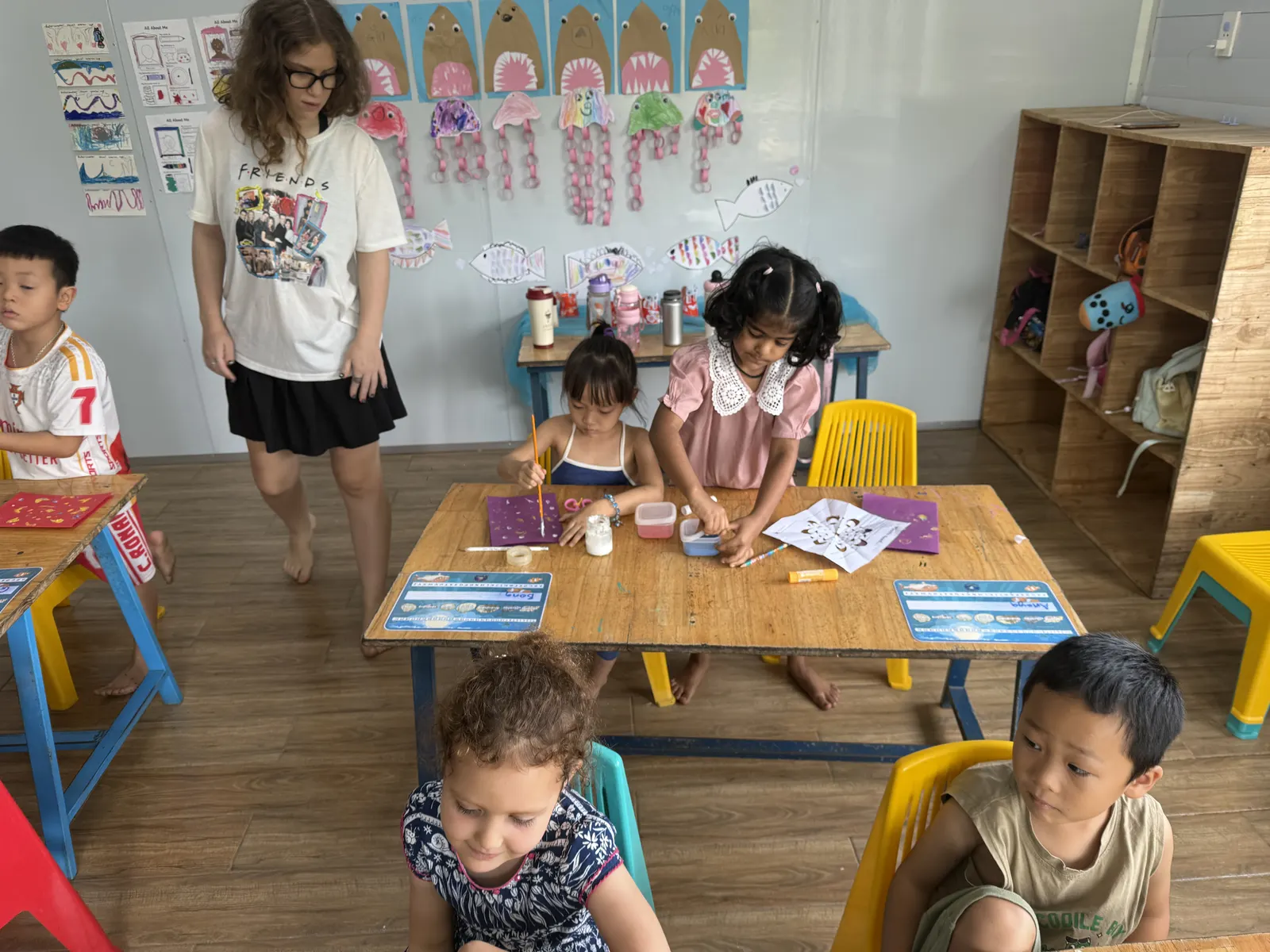
Others assist in an Early Years or Primary class as a learning buddy. They read with the little ones, run an activity, and find out what it takes to hold a room of five-year-olds.
It is the same lesson as an internship, closer to home: turn up, be useful, and be someone a younger child looks up to. Ask us what might be possible for your child.
After PRA
Where our students have gone
Our former students have gone on to international schools in Việt Nam and to high schools and universities abroad.
Some moved on to a high school abroad. Others went straight on to university. Either way, they went with a plan they had helped write and a teacher who knew exactly where they were up to.
Let's talk about your child's plan.
Every plan here is individual, so step one is a conversation, in person or by video call.